Power of nostalgia in modern media 
close


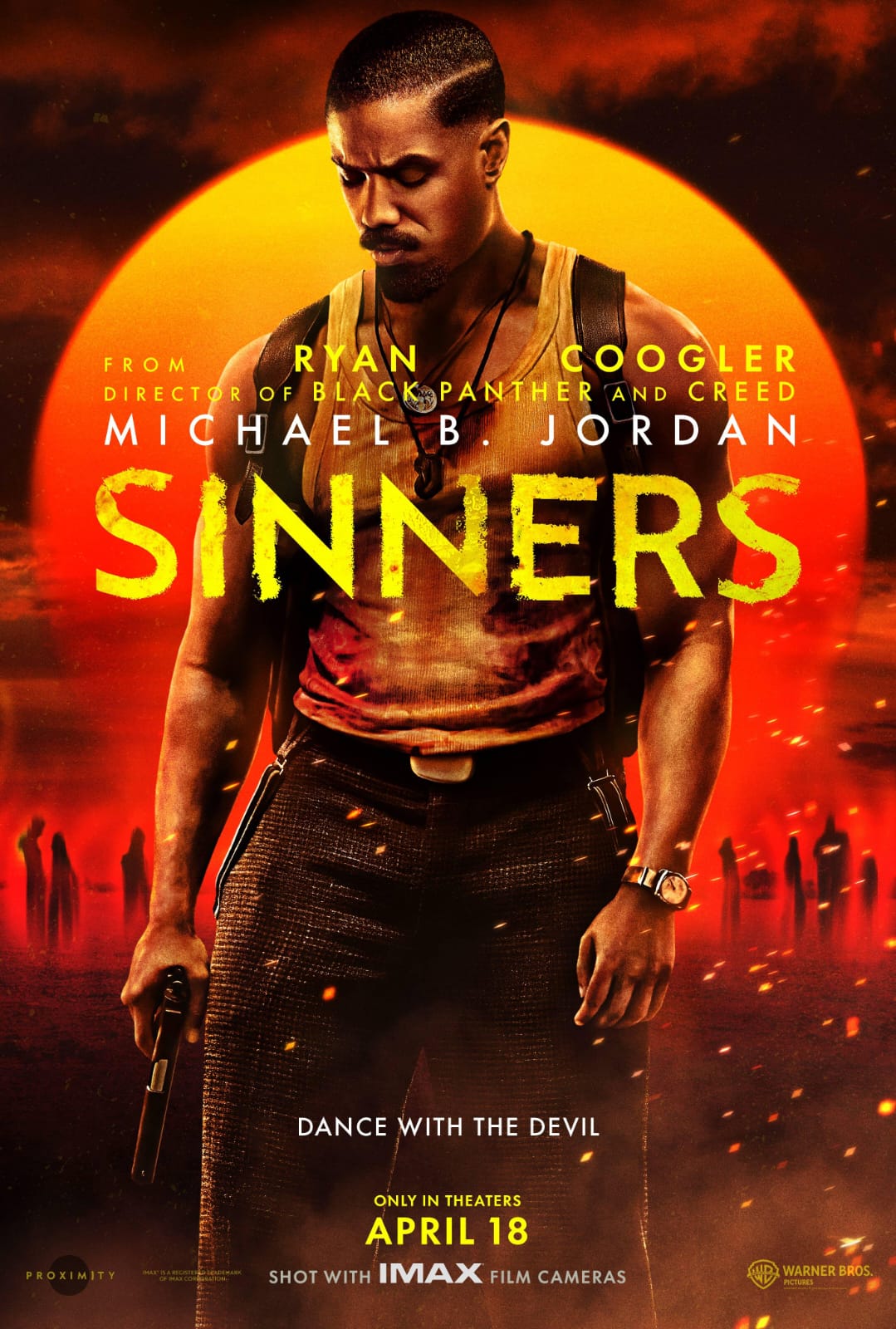
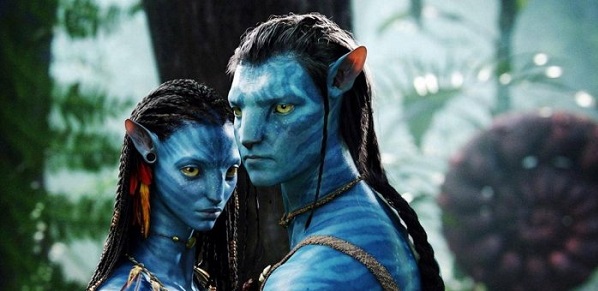
Nostalgia has become one of the strongest emotional tools in modern media it’s the art of turning memories into marketing and emotion into engagement. Hollywood has perfected this formula, constantly reviving old franchises like “Star Wars”, ”Ghostbusters”, and “Top Gun” to remind audiences of their childhood awe. Even the color tones, fonts, and music choices are designed to trigger familiarity. It’s not just about reliving the past, it’s about selling it. People don’t just watch, they reconnect with who they were when they first did. That’s the real product nostalgia offers which is identity.
In Egypt, the same pattern unfolds, but with a uniquely local flavor. Brands like Vodafone and Pepsi have used nostalgic Ramadan ads that resurrect 90s jingles and golden-era TV stars. Viewers see Mohamed Henedy or Sherif Mounir and instantly feel warmth and belonging. Egyptian advertising knows that nostalgia isn’t just a memory—it’s a collective heartbeat that unites generations around shared culture. Even Ramadan series like “El-Leila El-Kebeera” or “Rageen Ya Hawa” lean on familiar aesthetics to bring back a Cairo that felt slower, friendlier, and somehow more real.
Cinema, too, uses nostalgia as a bridge between eras. Hollywood films like “La La Land” or “Once Upon a Time in Hollywood” romanticize past decades, celebrating old-school filmmaking while critiquing modern emptiness. Similarly, Egyptian cinema sometimes revisits its classic mood through costume design, music, and pacing that mirror the golden 70s and 80s. It’s not coincidence—it’s emotional design. Audiences crave that analog touch in an era where everything feels pixelated and temporary. Nostalgia offers them something screens rarely give: sincerity.
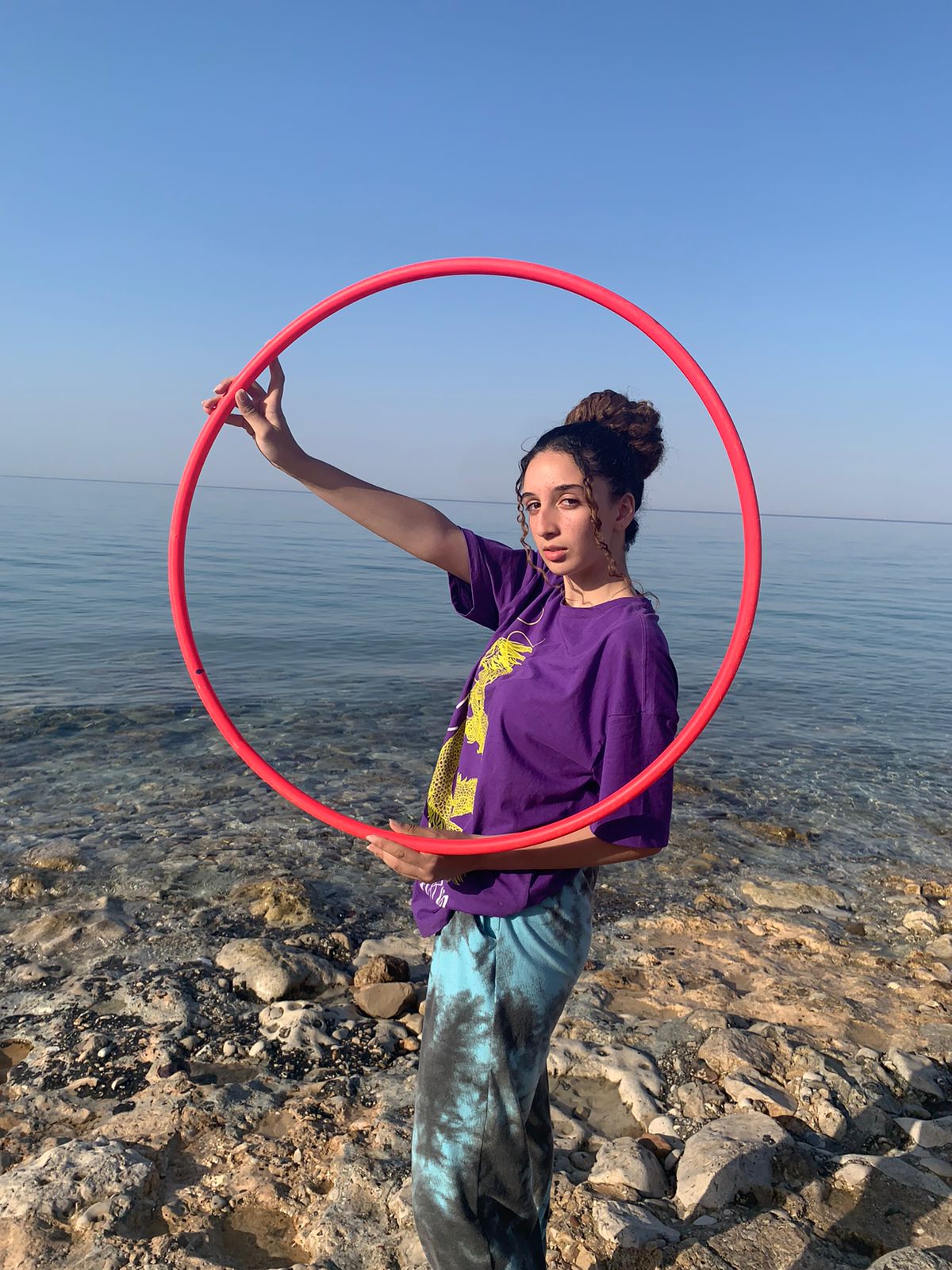
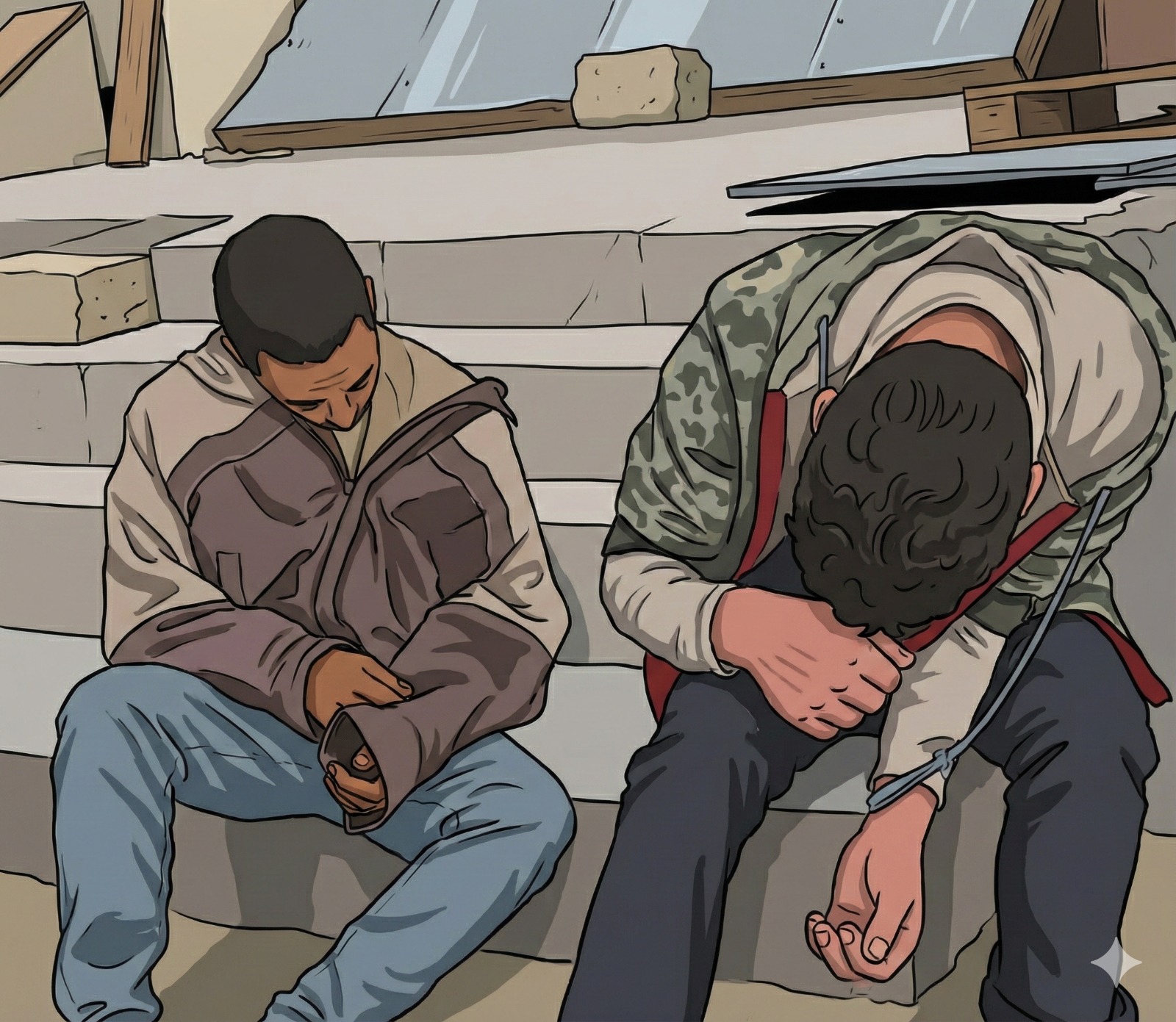
The rapper “Tul8te” stands out as one of the most genuine Egyptian voices using nostalgia as a storytelling weapon. His lyrics often recall old songs vibes, cassette players, slang from the 90s, and moments that defined youth before everything became digital. But it’s not just longing, it’s layered social commentary. Tul8te uses nostalgia to expose how much has changed, from lost innocence to the fading sense of community. His songs feel like diary entries from a generation stuck between pride and heartbreak, holding onto memories as proof of who they still are.
.
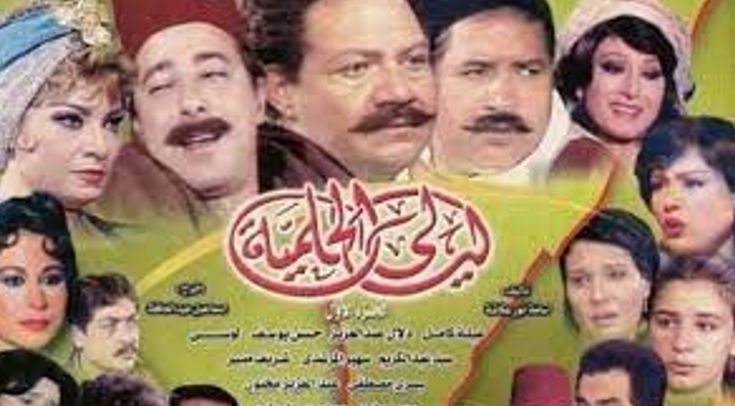
Modern streaming platforms have also built on nostalgia’s power by resurfacing childhood shows and songs. Netflix, for instance, constantly pushes reboots like “Fuller House” or animated revivals like “He-Man”, while Egyptian platforms like Watch iT and Shahid upload remastered classics like “Layali El Helmeya”. It’s a business model rooted in emotion remind people of simpler times, and they’ll stay. This recycling of the familiar has quietly become the backbone of digital entertainment.
Ultimately, nostalgia thrives because it offers something rare in modern media: emotional certainty. It gives audiences a way to escape chaos by returning to memories that feel pure and real. Whether it’s Tul8te’s verses about a lost Cairo, an ad that revives an old melody, or a Hollywood sequel dressed in vintage colours. Nostalgia isn’t just looking back, it’s how media teaches us to remember, to feel, and to keep believing that the past still has something left to say.
.


16-05-2026  Education affairs
16-05-2026  Women& men
16-05-2026  movies & theatre
20-03-2023  movies & theatre 8429
23-06-2023  Sports 4313
17-09-2022  movies & theatre 2927
...
tips from the head of dmc channels group- mr.hesham soliman02-08-2023
video  3549...
Exclusive Interview with the Prominent Host (Eman Ezz Eldin) for EMccu today27-10-2022
video  1408...
Culture of Photos Event Guests` Interviews (Pt.2)01-04-2023
video  1307...
Culture of Photos Event Guests` Interviews (Pt. 1)01-04-2023
video  1172...
27-10-2022
video  4050