Emccu today

Slovenian President Delivers a Lecture at Cairo University on Current and Future Risks and Engages Students in Dialogue on Peace, Human Rights, and Global Challenges 
Dr.hany  (33)

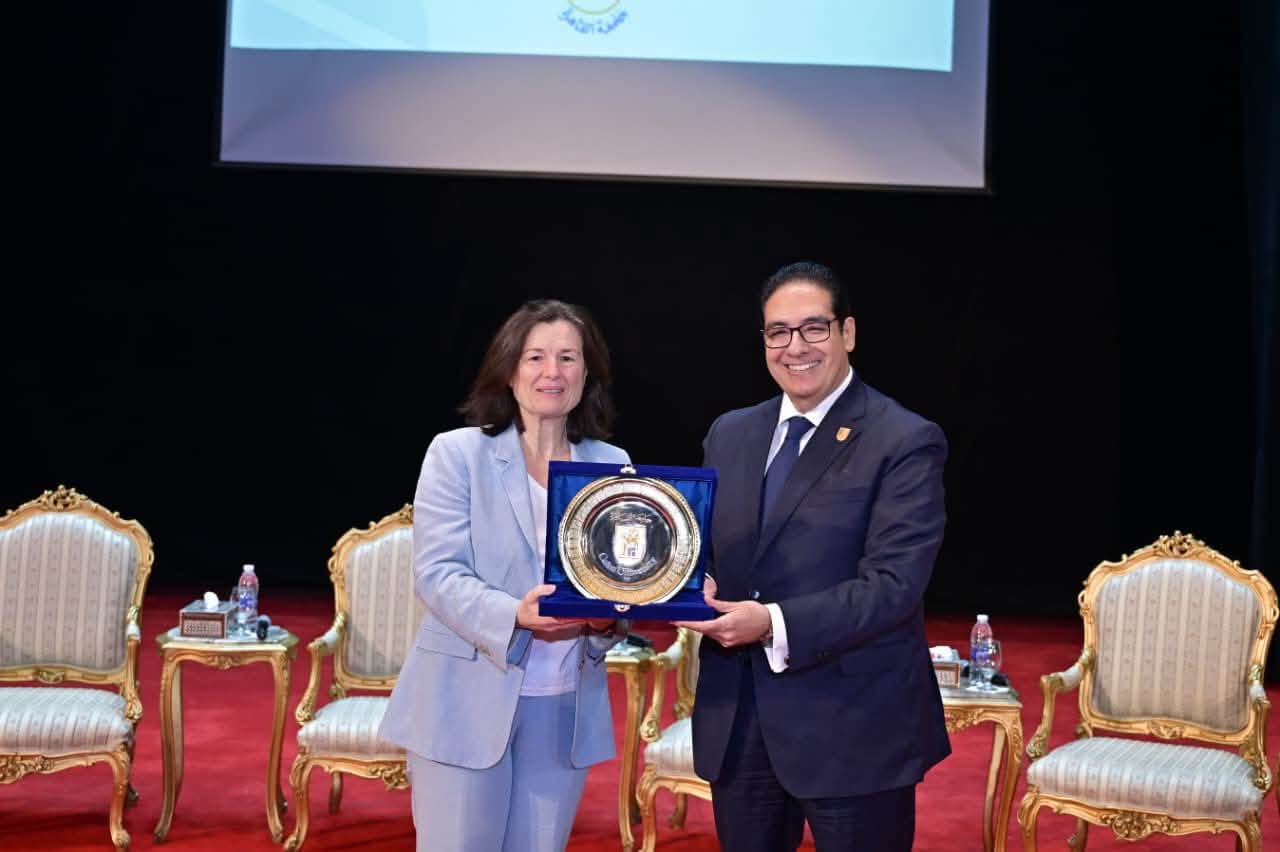
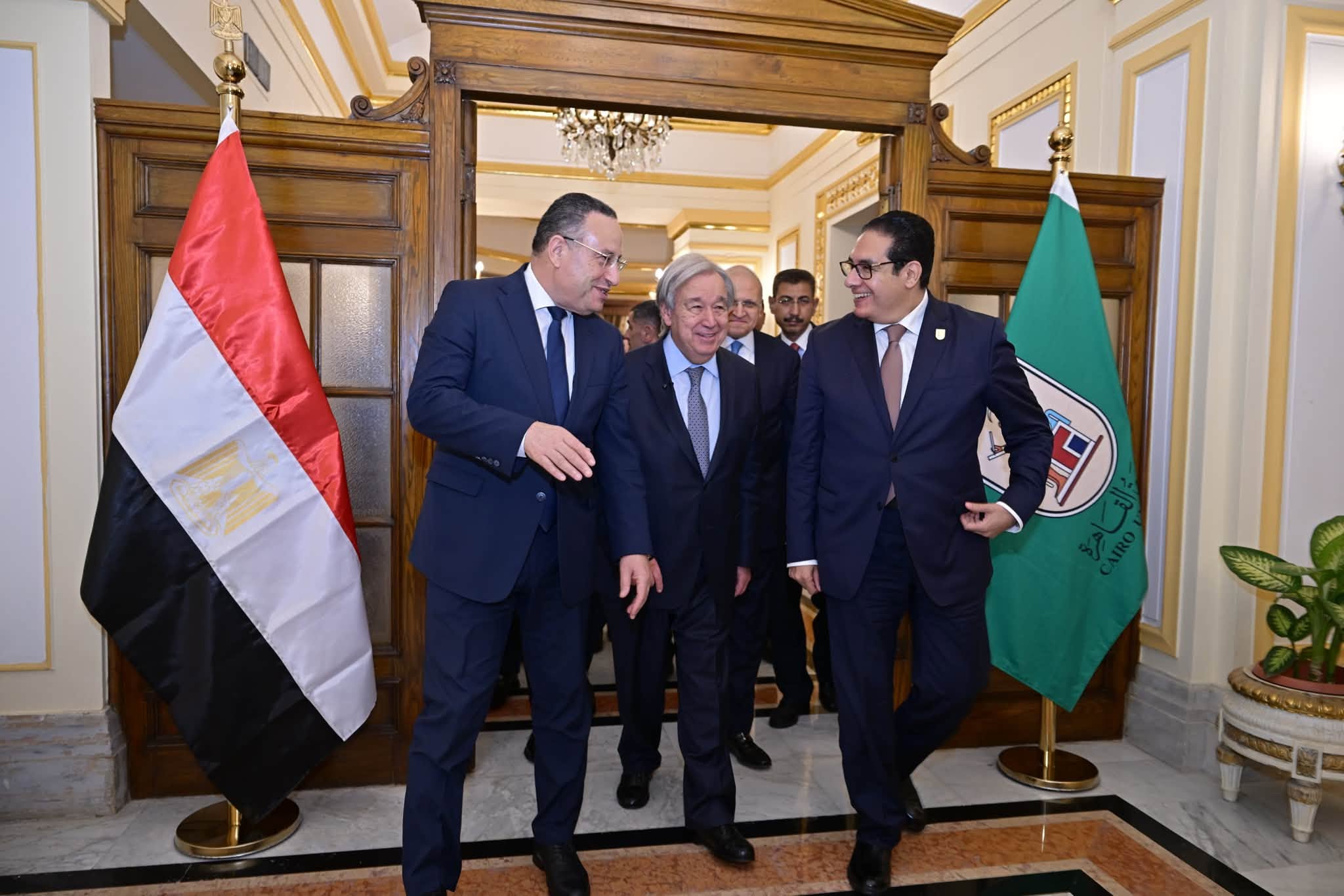
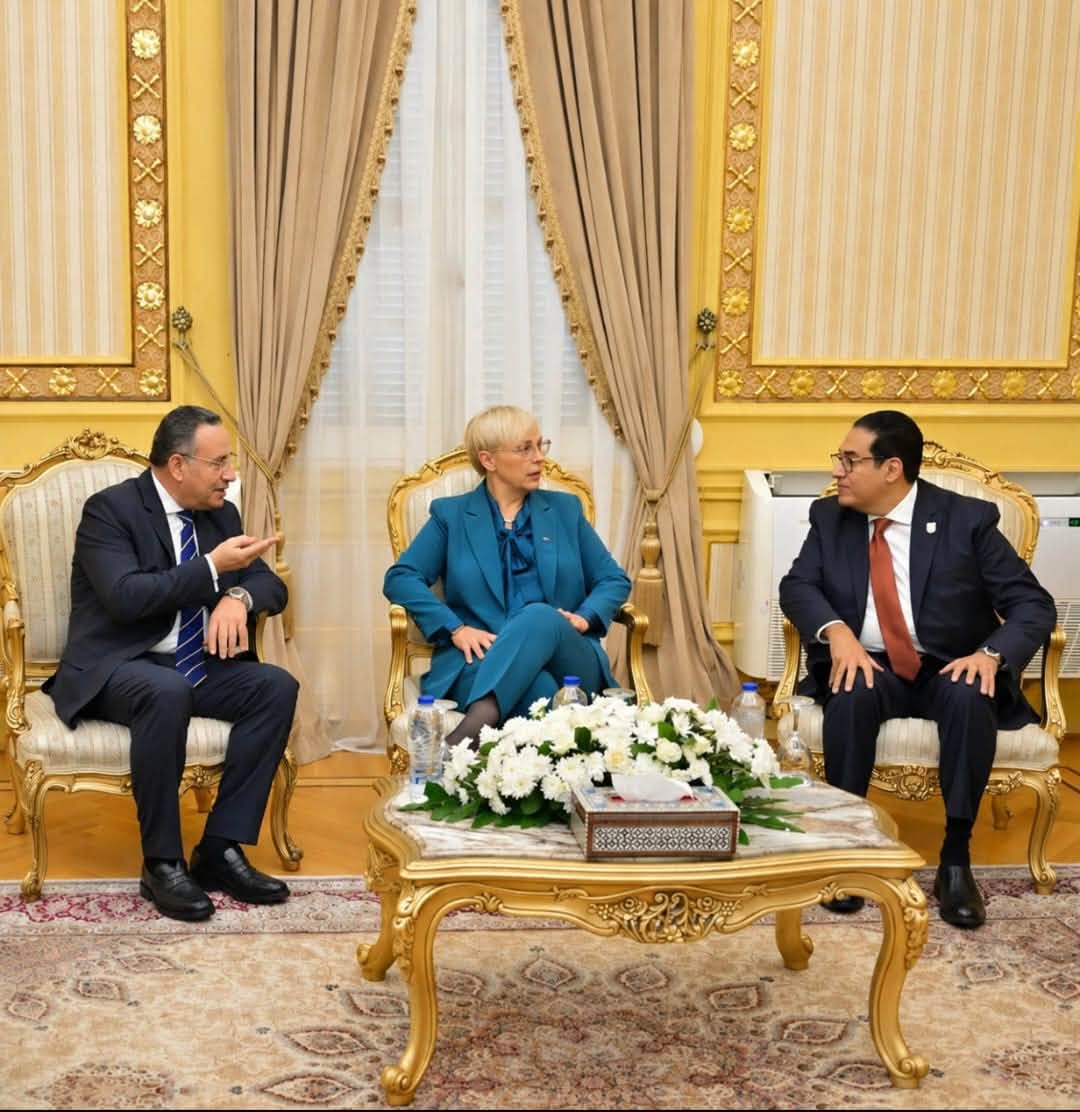
    Cairo University, headed by Dr. Mohamed Sami Abdel Sadek, received Her Excellency Dr. Nataša Pirc Musar, President of the Republic of Slovenia, on an official visit to the university. Attending were Dr. Abdelaziz Konsowa, Minister of Higher Education and Scientific Research, a number of diplomatic and academic figures, university leaders, faculty members, and a large number of students.


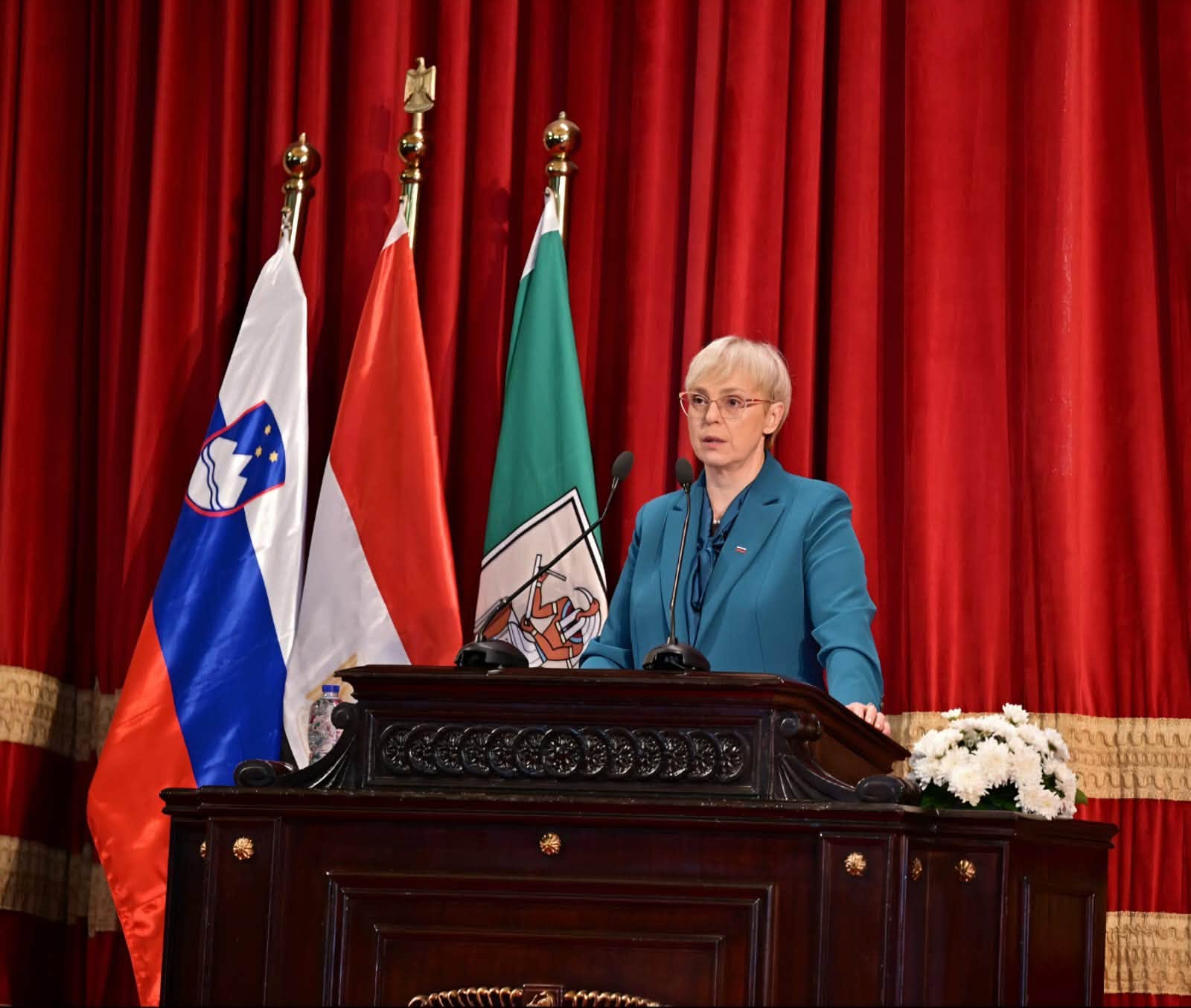
    During the visit, the President of the Republic of Slovenia delivered a lecture titled “Current and Future Risks,” followed by an interactive dialogue with Cairo University students on a number of contemporary international issues. This took place within the university’s historic role as one of the oldest academic institutions in the region and a platform for dialogue and the exchange of views and ideas among different cultures and peoples.


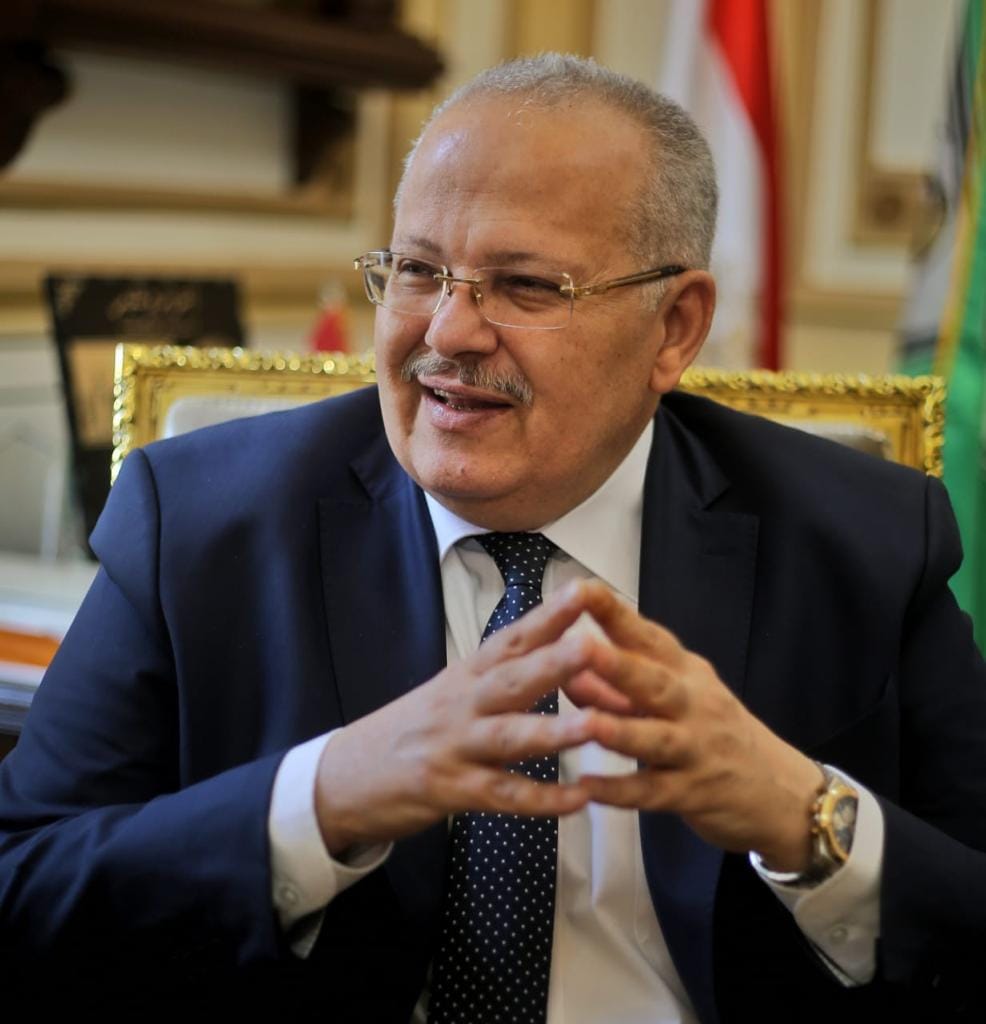
    At the start of the meeting, Dr. Mohamed Sami Abdel Sadek, President of Cairo University, welcomed Her Excellency the President of the Republic of Slovenia. He expressed the university’s pride in this visit, which reflects its scientific and historical standing and affirms its long-standing role in receiving heads of state and prominent international figures and giving its students the opportunity to interact directly with them and discuss the issues and challenges that concern the world.


    The President of Cairo University stressed that hosting Her Excellency is of particular importance given her distinguished career in law, journalism, media, and the defense of human rights. He noted that the mission of universities is not limited to producing and transmitting knowledge, but extends to consolidating the values of dialogue, understanding, and mutual respect, and preparing generations who are aware of their responsibilities toward their societies and the world and capable of contributing positively to confronting challenges and shaping the future.


    .

    For his part, Dr. Abdelaziz Konsowa expressed his pride in welcoming the President of the Republic of Slovenia to Cairo University, describing it as a venerable academic institution that has, over decades, helped prepare generations of leaders, scientists, and thinkers. He affirmed that the visit represents an important opportunity to strengthen the friendship between the two countries and expand joint cooperation in higher education, scientific research, innovation, and sustainable development.


    The Minister stressed that universities are bridges of communication between peoples and essential engines of progress and innovation. He noted Egypt’s aspiration to strengthen academic and research cooperation with Slovenia, particularly in modern technologies, artificial intelligence, and innovation, as well as in the exchange of student and academic programs. He also addressed a message to the university’s students on the importance of holding on to ambition and equipping themselves with knowledge and creativity, affirming that young people are not only the leaders of the future, but are the ones capable of making it.


    In her lecture on “Current and Future Risks,” Her Excellency Dr. Nataša Pirc Musar, President of the Republic of Slovenia, stressed the importance of strengthening international cooperation to protect international peace and security. She also emphasized the need to reform the United Nations system to enhance its ability to deal with international crises and conflicts, and stressed the importance of establishing ethical and legal safeguards on the use of the “veto” power, so that it is not used in a way that obstructs action against grave violations of international law, particularly genocide and crimes against humanity, drawing guidance from the relevant legal principles established by the International Court of Justice.


    The Slovenian President also addressed the importance of empowering women and promoting equal opportunities, affirming her support for a foreign policy approach based on gender equality, and expressing her hope to see a woman hold the post of UN Secretary-General for the first time in its history. She stressed that the world must not remain silent in the face of humanitarian crises, foremost among them the situation in the Palestinian territories, affirming that protecting human rights and safeguarding human dignity is a shared international responsibility that requires clear positions and a genuine will to act.


    .

    Regarding technological developments, Her Excellency affirmed that artificial intelligence is one of the most influential factors in the future of humanity, and that benefiting from its enormous potential requires awareness of its risks, verifying the accuracy of the information its applications provide, and not treating its outputs as absolute facts.


    She stressed the need to speed up the establishment of legislative, regulatory, and ethical frameworks governing the uses of artificial intelligence, in a way that serves the public interest and protects societies. She warned of the risks associated with the use of these technologies in wars and armed conflicts, affirming that regulating their use can no longer be postponed, given the rapid development of their capabilities and their potential impact on international peace and security.


    The President of the Republic of Slovenia stressed the importance of investing in young people as the fundamental pillar for building the future and strengthening the competitiveness of nations. She added that supporting education, empowering youth, and qualifying them for the responsible use of knowledge and technology is necessary to retain national talent and encourage it to contribute to the development of its homelands. She affirmed that empowering young people is, in essence, the empowerment of societies and states, and strengthens their competitiveness, sovereignty, and independence of decision-making.


    Her Excellency also praised the scientific and societal role played by Cairo University and its contributions to developing education and scientific research, serving society, and supporting the march of development in Egypt, affirming that investment in science, education, and innovation is the foundation for building the future of generations and enhancing the ability of states to confront challenges and achieve progress.


    Following the lecture, the meeting included an open dialogue between the President of the Republic of Slovenia and Cairo University students, moderated by Dr. Heidi Bayoumi, Director of the University’s International Relations Office. The students posed a range of questions that reflected their awareness of international issues and their interest in contemporary challenges from diverse political, legal, humanitarian, and scientific perspectives.


    .

    The dialogue addressed the role of young people in promoting peace and spreading a culture of dialogue in a world of growing conflicts, and the challenges of protecting human rights and privacy in the age of artificial intelligence. It also covered ways to strengthen cooperation between Egypt and Slovenia in education, scientific research, and cultural exchange, creating new opportunities for young people in both countries.


  write acomment


  Comments

Related Posts you may like

short list