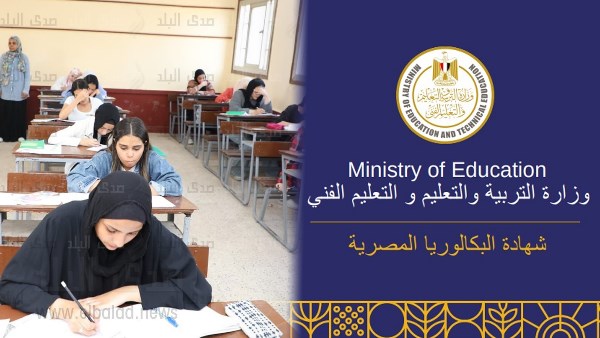
The New Egyptian Baccalaureate
 close
close
![]()
close
![]()

The New Egyptian Baccalaureate has become one of the most discussed topics in the country’s education field. Replacing the traditional Thanaweya Amma system, it aims to develop a generation of students who can think critically rather than memorize. The new system focuses on skills, understanding, and problem-solving, marking a major transformation in the Egyptian education journey.
For decades, the Thanaweya Amma has been known for its stressful exams and reliance on memorization. It determined a student’s entire future in just a few days of testing. Parents, students, and teachers have long complained that it encourages pressure rather than creativity. The Ministry of Education decided it was time for change—one that would align Egypt with global educational standards.
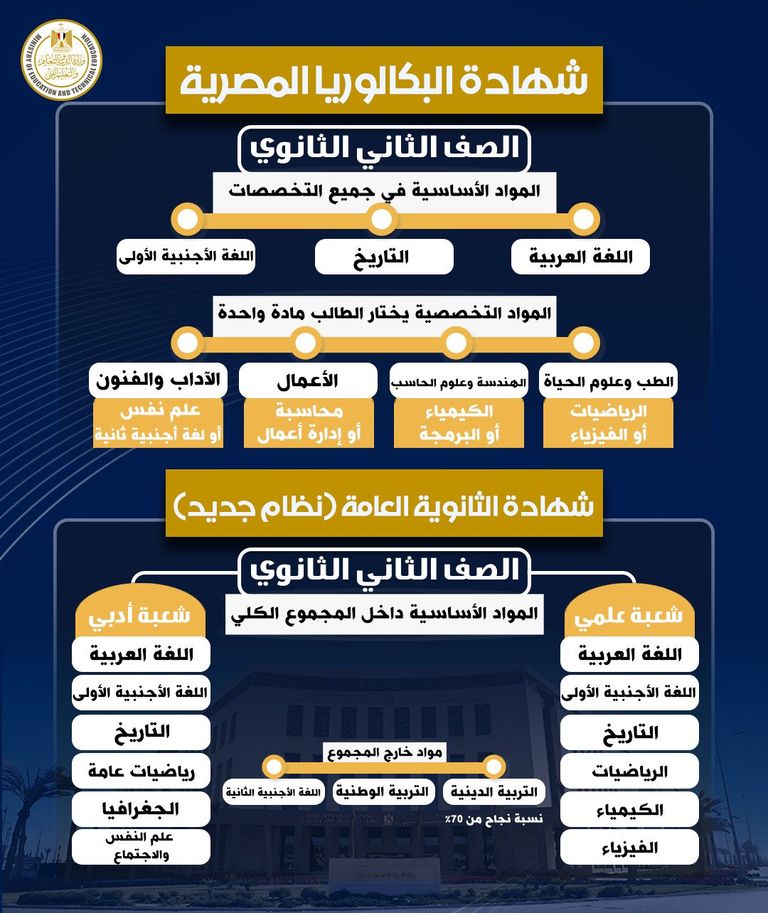
The Baccalaureate system divides high school into two main stages: the preparatory stage in the first year, and the specialization stage across the second and third years. Students can choose from four main tracks: Medicine and Life Sciences, Engineering and Computer Science, Business, or Humanities and Arts. Each path allows them to dive deeper into subjects related to their future careers.
One of the most remarkable aspects of this new system is the evaluation process. Instead of one single final exam, students now have two opportunities each year to improve their scores. The results will depend on their overall performance, continuous assessment, and participation throughout the year, which encourages consistency rather than last-minute studying.
However, the shift to the new system has raised concerns among teachers and parents. Many fear that the system may not be ready for full implementation yet, especially given the need for trained educators and digital resources.
Others worry about equality, as not all schools have the same access to technological tools or learning materials.
Despite these challenges, supporters believe that the Egyptian Baccalaureate will create a more fair and motivating environment. By focusing on creativity, innovation, and real-world application, it prepares students to become global citizens capable of competing internationally. This could represent a true educational revolution in Egypt’s history.
In conclusion, the new Baccalaureate system represents both hope and challenge. It is a bold step towards modernizing education and empowering the next generation. Like every major reform, it will take time to adjust, but if applied successfully, it might be the key to a brighter and more balanced educational future for Egypt’s youth
.

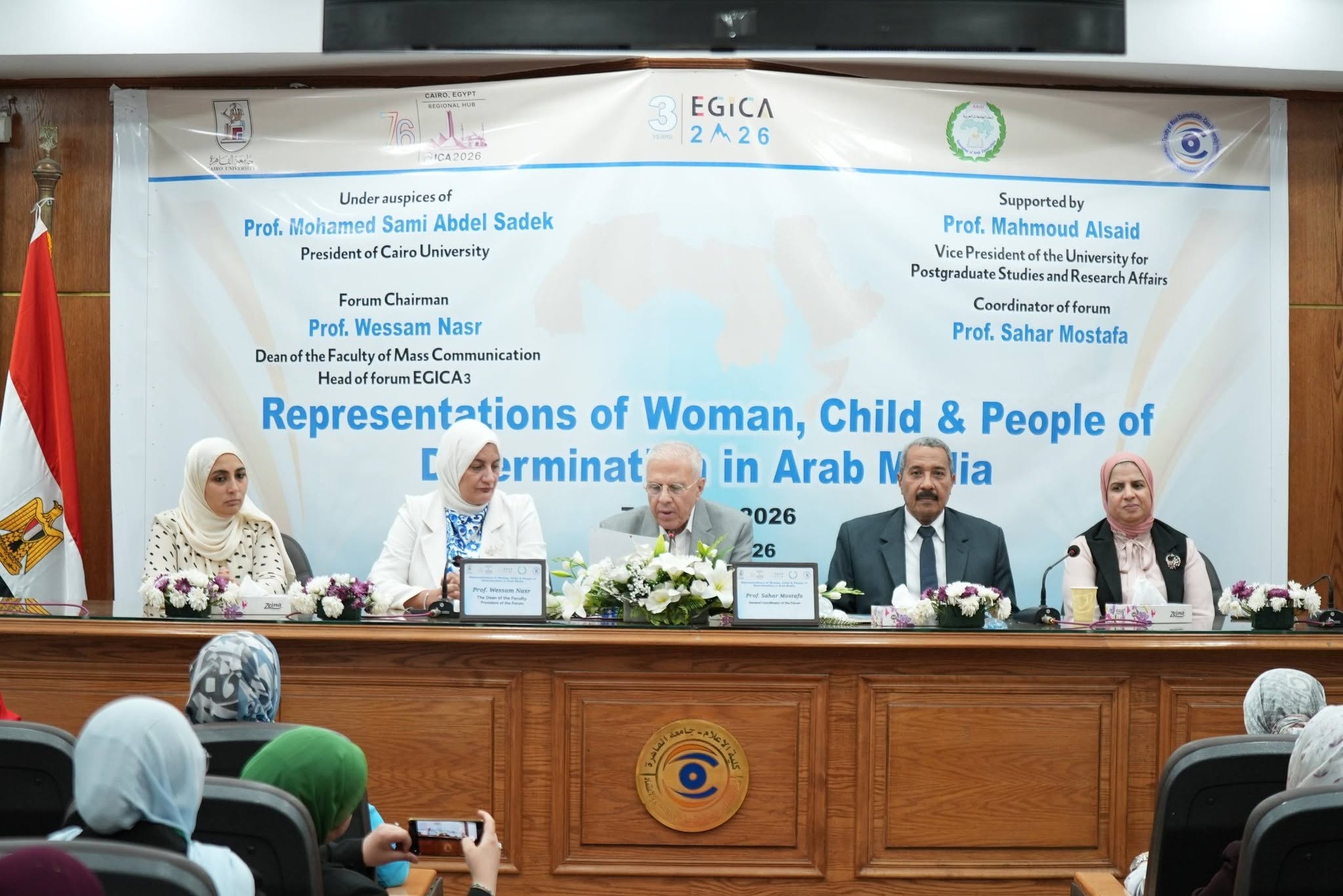
16-06-2026 Faculty of Mass Communication
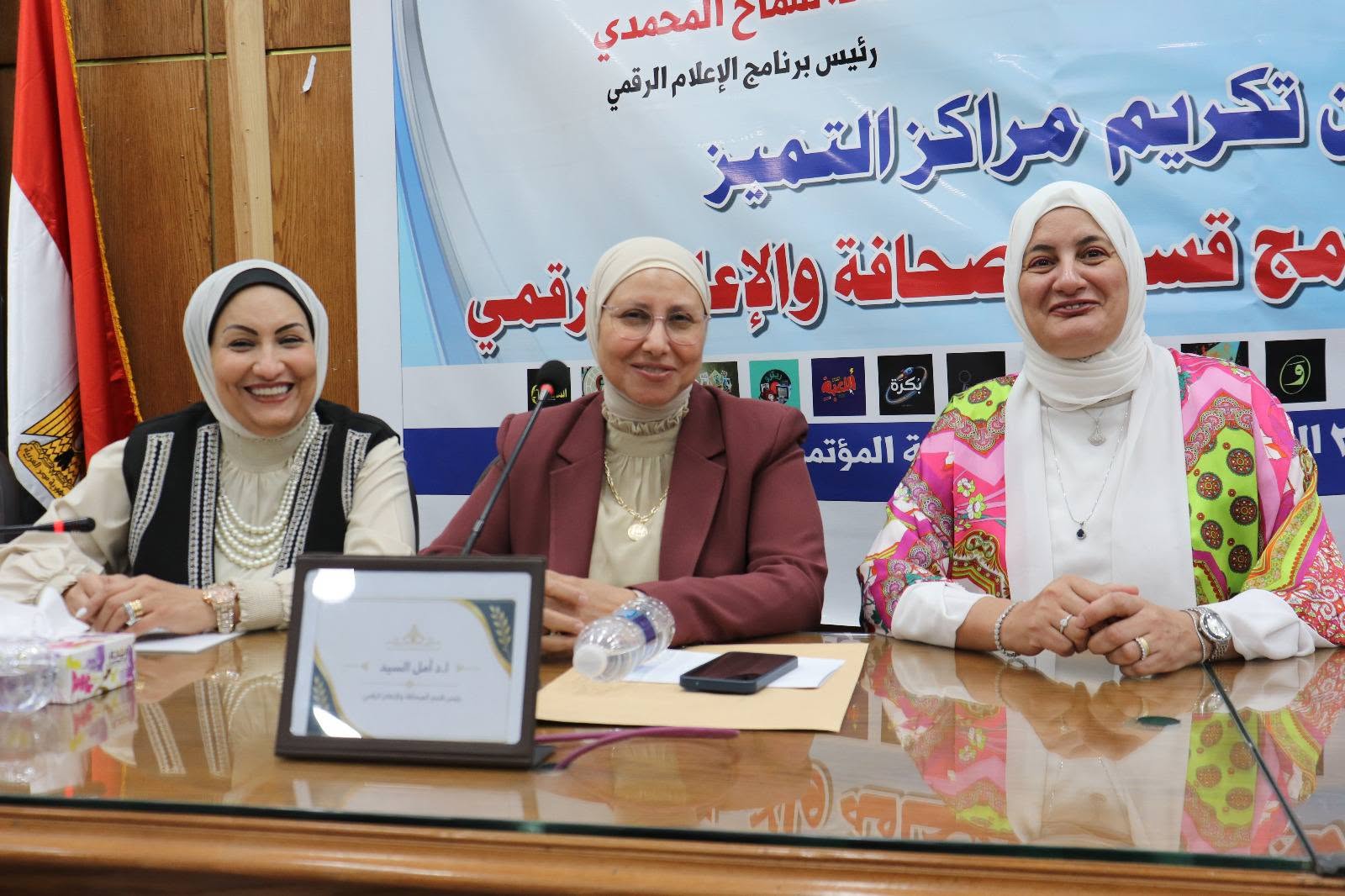
16-06-2026 Faculty of Mass Communication
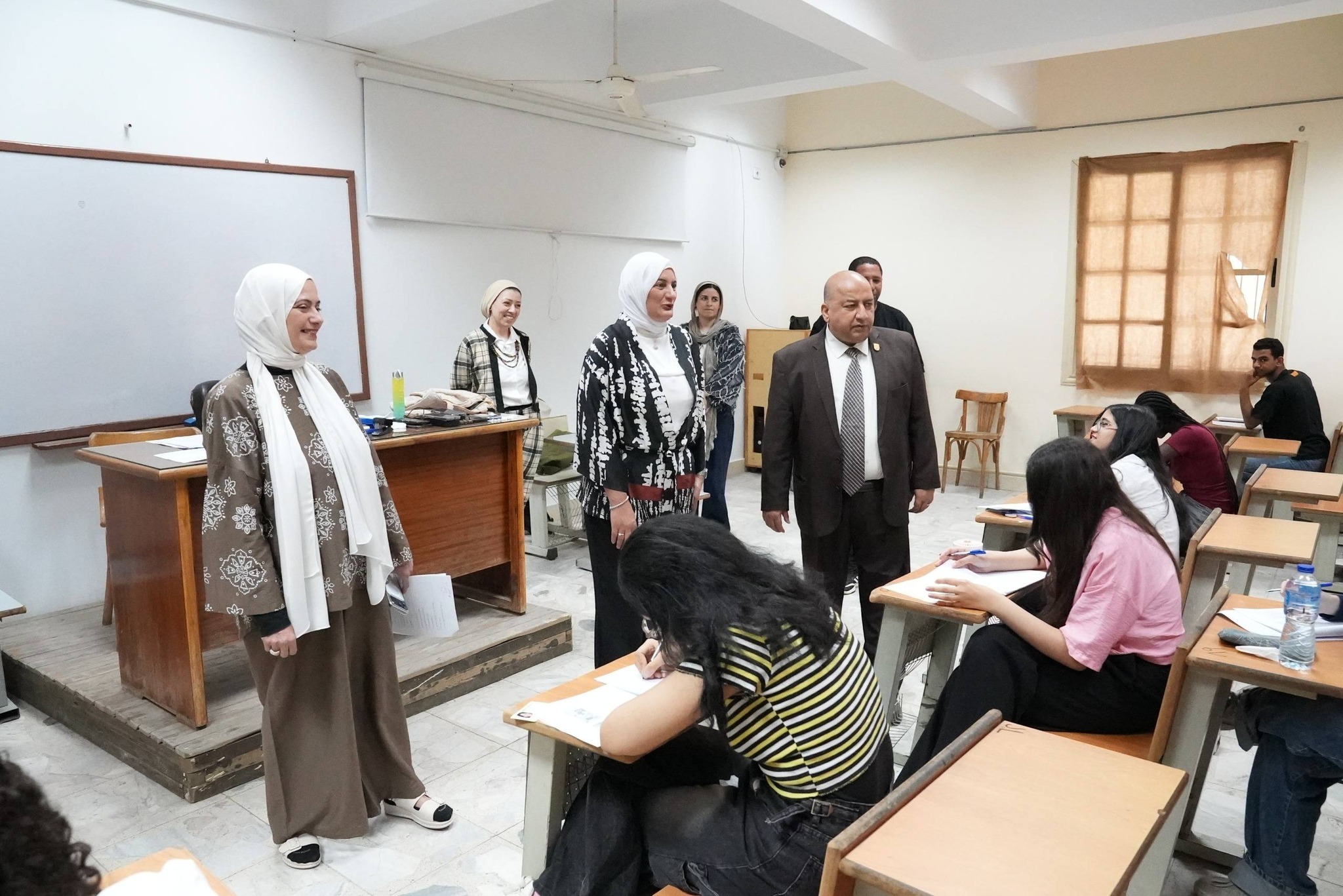
03-06-2026 Faculty of Mass Communication
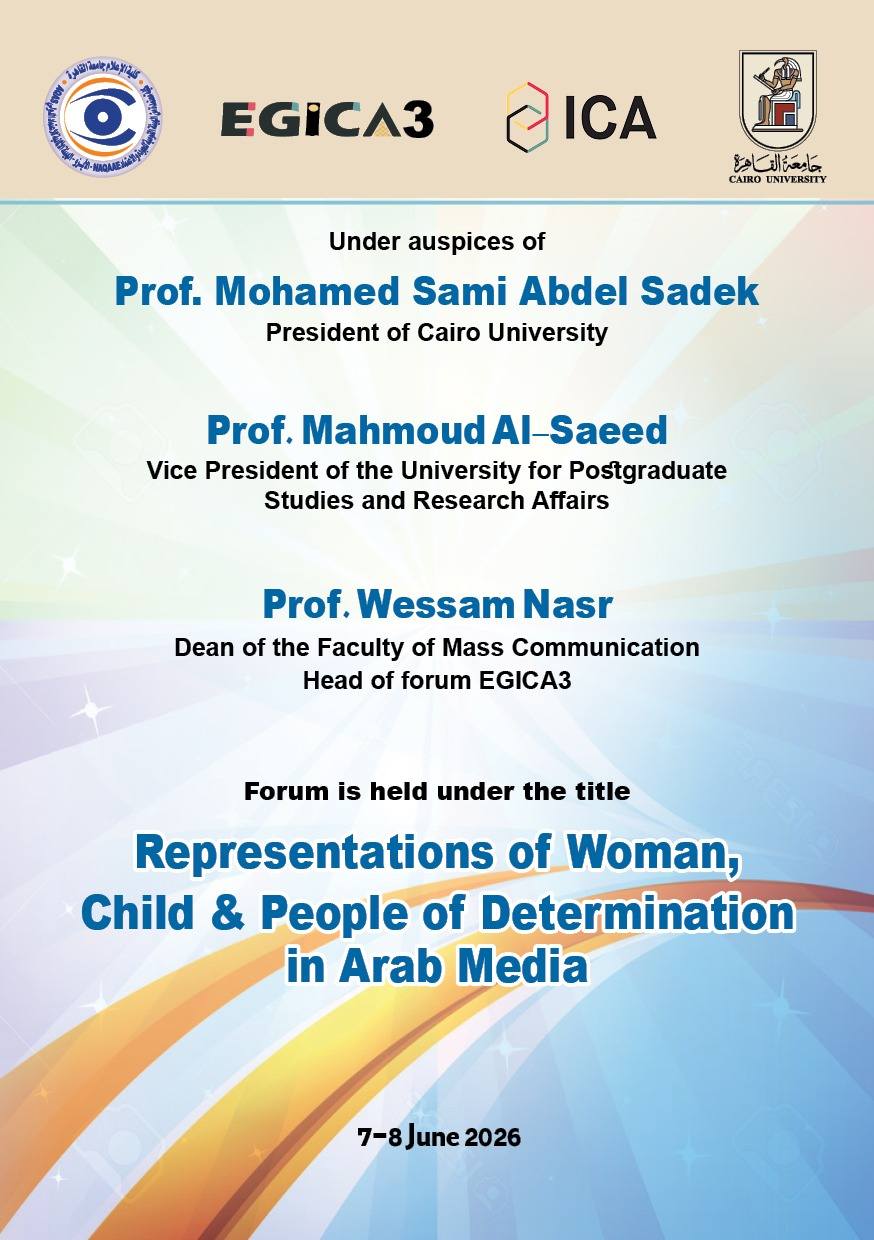
03-06-2026 Faculty of Mass Communication

23-06-2023 Sports 4598
...
tips from the head of dmc channels group- mr.hesham soliman02-08-2023
video 3817...
Exclusive Interview with the Prominent Host (Eman Ezz Eldin) for EMccu today27-10-2022
video 1667...
Culture of Photos Event Guests` Interviews (Pt.2)01-04-2023
video 1594...
Culture of Photos Event Guests` Interviews (Pt. 1)01-04-2023
video 1427...






27-10-2022
video 4339