Emccu today

Beyond Companionship: Emotional And Social Power Of Pet Culture 
sara sherif  (26)

    By: Rawan Salama


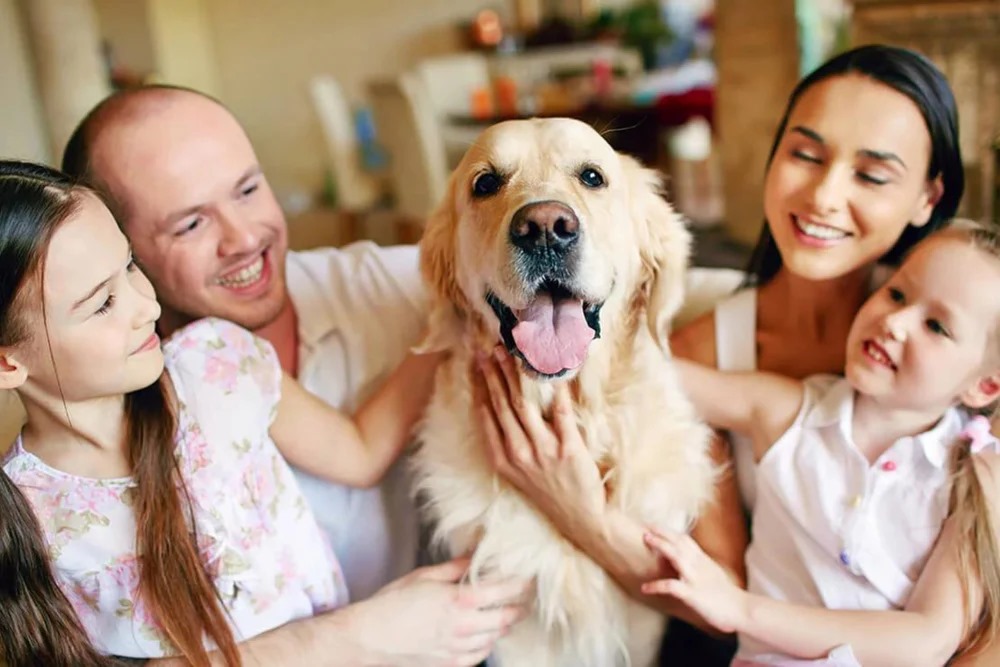
    The relationship between humans and pets has always been unique, evolving from companionship to emotional healing, confidence-building, and even psychological support. Today, owning a pet is more than a simple hobby. It has become a meaningful and influential part of modern life. Pets offer unconditional love, which creates a sense of comfort and reduces feelings of isolation. This emotional connection plays a major role in promoting mental well-being, especially for individuals experiencing stress or loneliness.


    Studies highlight that pets can significantly lower stress levels by reducing cortisol the hormone linked to anxiety and increasing the production of dopamine and oxytocin, which enhance happiness and emotional stability. For many people, spending time with their animals becomes a daily escape from pressure, responsibility, or emotional struggles. Pets also help build self-esteem, as caring for a living creature gives owners a sense of value and purpose, reinforcing their confidence and emotional resilience.


    Beyond psychological benefits, pet ownership contributes positively to physical health. Many scientific findings show that pets, especially dogs, help improve heart function by lowering cholesterol and blood pressure. They also encourage physical activity, as daily walks, playtime, or outdoor interactions become natural parts of the owner’s routine. For children, growing up with pets may enhance immunity and reduce allergic reactions over time, providing long-term health advantages that shape their early development.


    On a social and educational level, pets help children develop emotional intelligence, responsibility, and compassion. Learning to feed, clean, and care for an animal teaches commitment and routine. It also helps children understand empathy by recognizing when their pet feels scared, excited, or unwell. These interactions strengthen communication skills and support healthier emotional growth, making pets not just companions but educators within the household.


    Respecting the feelings of animals is a fundamental part of responsible ownership. When animals feel safe and understood, they are more likely to develop healthy behavior and stronger bonds with their owners. Fear-based training often leads to aggression or anxiety, while positive reinforcement builds trust and loyalty. On a community level, responsible pet culture reduces conflicts between neighbors, supports the rights of service animals, and spreads compassion toward all living beings. By adopting ethical ownership practices, societies become more harmonious and humane.

    .

  write acomment


  Comments

Related Posts you may like

short list