Lost Childhoods: Hidden Crisis Of Homeless Children 
close


By: Rawan Salama
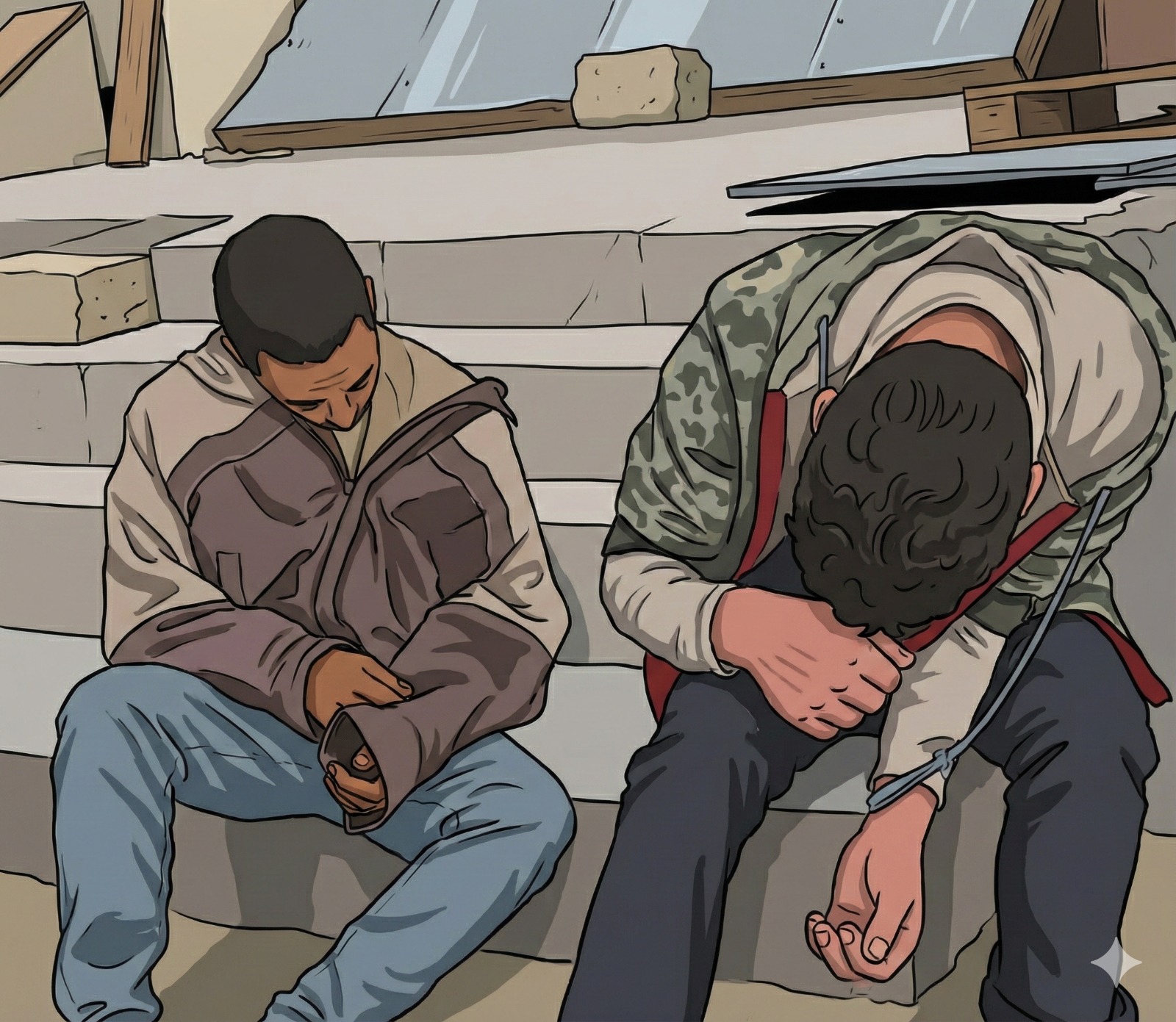
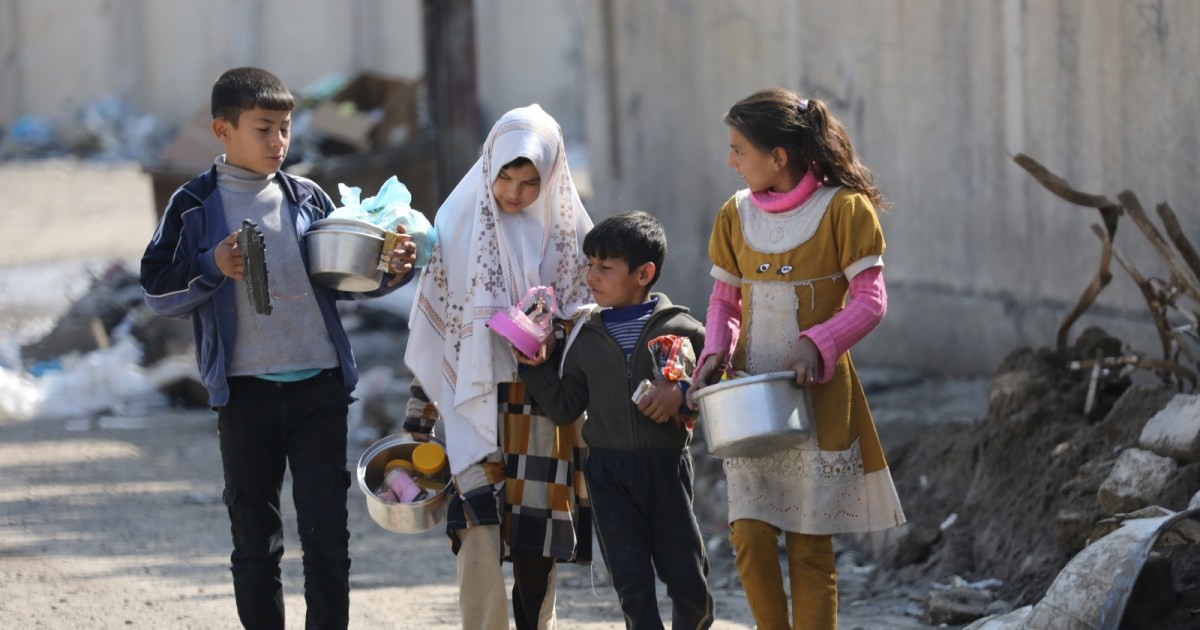
Homeless children represent one of the most alarming and sensitive social issues in modern society. This problem goes far beyond the absence of shelter; it reflects a deep structural breakdown that affects the well-being and safety of an entire generation. Estimates regarding the number of street children in Egypt vary widely, ranging from 90,000 to nearly one million according to UNICEF, while older reports suggested more than 1.5 million. Regardless of the exact figure, thousands of children continue to live on the streets without protection, stability, or basic emotional and physical care every child needs to grow.
The factors that push children into homelessness are complex and interconnected. Family breakdown is one of the most significant causes, such as divorce, abandonment, or the absence of one parent often destroys the child’s sense of security. Many children flee homes filled with physical violence, emotional abuse, or sexual exploitation, choosing the uncertainty of the streets over the danger they face inside. Economic pressures also play a key role; widespread poverty, unemployment, and the inability of families to meet basic needs often force children into labor or begging, which can eventually lead to complete separation from their families.
The presence of children on the streets creates a ripple effect that impacts society. Without supervision or guidance, homeless children become highly vulnerable to exploitation by criminal networks, organized begging groups, or unsafe behaviors that they do not fully understand. As a result, some may be pushed into illegal activities, contributing to rising crime rates and threatening public safety. At the same time, the community loses valuable human resources; children who grow up without education or skills miss the opportunity to contribute positively to the country’s future, reinforcing a cycle of poverty and marginalization.
Health risks add another layer of danger to the lives of homeless children. Living on the streets exposes them to malnutrition, infectious diseases, untreated injuries, and harsh weather conditions. Without access to medical care, these health issues become severe and sometimes life-threatening. Psychologically, constant exposure to fear, violence, and rejection leaves deep emotional scars that affect the child’s behavior, stability, and future relationships. These long-term impacts extend beyond the individual child, eventually influencing entire communities as unresolved trauma continues into adulthood.
.
Additionally, the increasing visibility of homeless children affects the cultural and social landscape of cities. Public areas lose their sense of safety, and societal empathy gradually turns into avoidance or judgment. The recurring image of children at traffic lights, sidewalks, or under bridges reflects a serious failure in social protection systems. When these patterns repeat across generations, the issue becomes a self-perpetuating cycle that is increasingly difficult to break. Addressing this crisis requires coordinated, long-term strategies grounded in compassion, protection, and reintegration, ensuring that every child receives the chance to live with dignity and hope.
.
20-03-2023  movies & theatre 8118
23-06-2023  Sports 4010
17-09-2022  movies & theatre 2588
...
tips from the head of dmc channels group- mr.hesham soliman02-08-2023
video  3287...
Exclusive Interview with the Prominent Host (Eman Ezz Eldin) for EMccu today27-10-2022
video  1060...
Culture of Photos Event Guests` Interviews (Pt.2)01-04-2023
video  1043...
Culture of Photos Event Guests` Interviews (Pt. 1)01-04-2023
video  925...
27-10-2022
video  3687