Emccu today

Mobile journalism in wars 

sara sherif  (6)

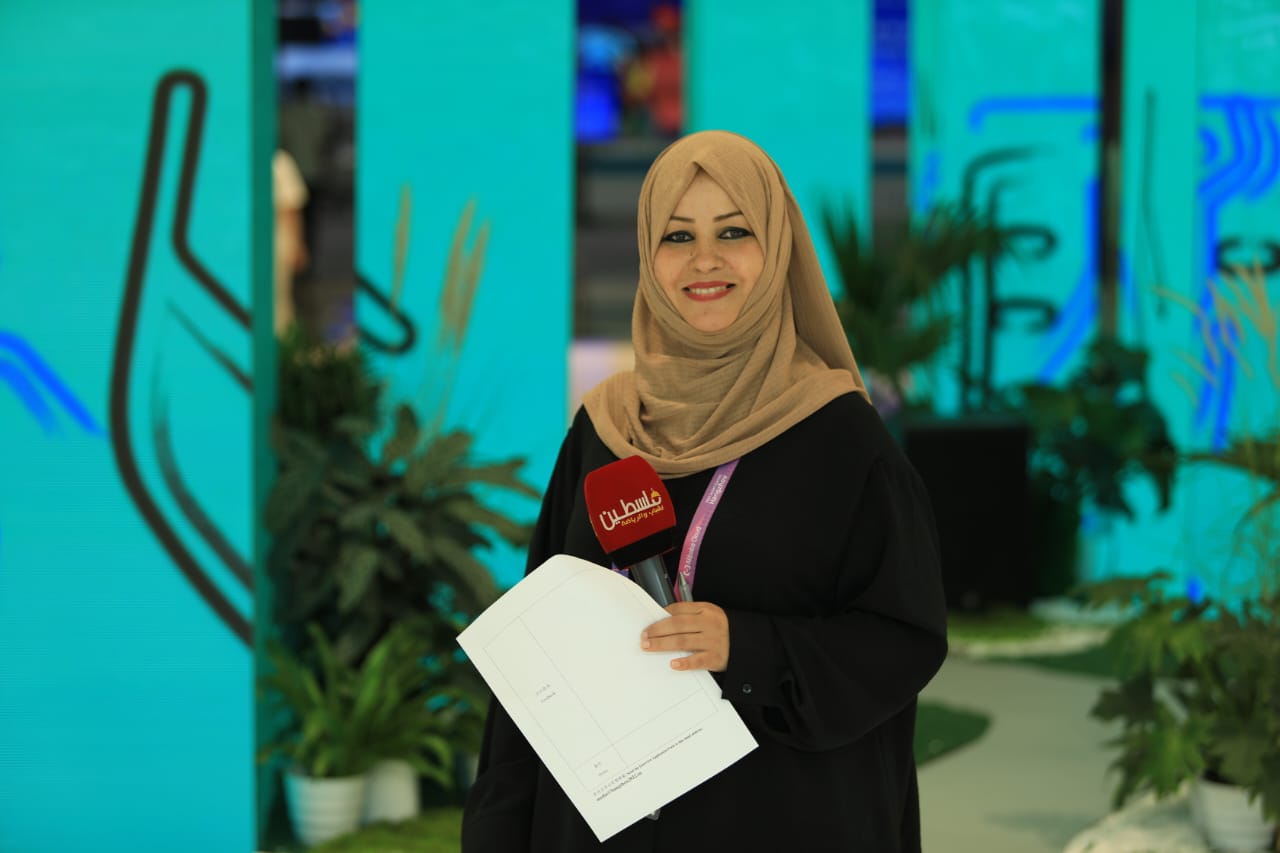
    Mobile journalism, or mojo, has transformed the way conflicts are reported. With just a smartphone, journalists can capture, edit, and share footage instantly. This approach gives people around the world a direct window into war zones, showing raw and emotional stories that traditional media might miss.


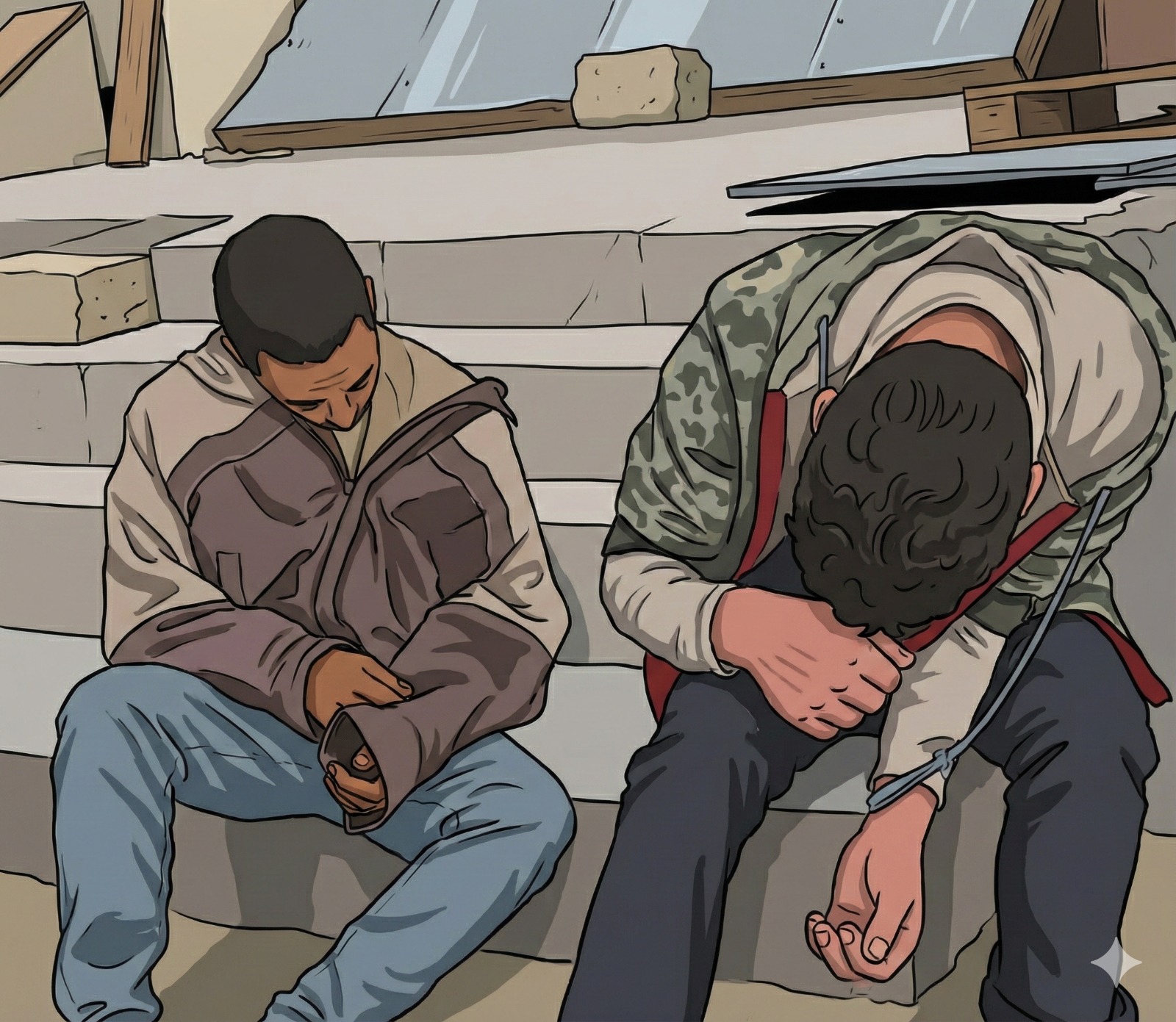
    Reporting from war areas is never easy. Mobile journalists often risk their lives to document what’s happening on the ground. They move through bombed streets, unstable buildings, and chaotic scenes to record moments that define the reality of war. Their work often becomes the only source of firsthand evidence when other media are blocked or restricted.


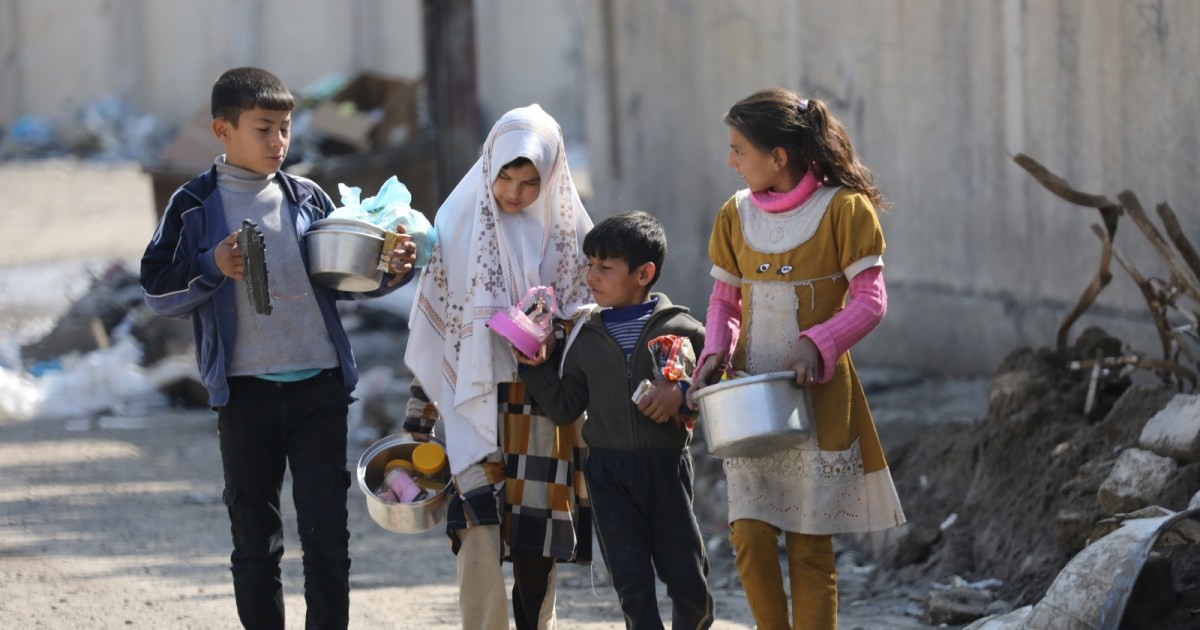
    The rise of mobile journalism has allowed many local reporters to become the world’s eyes and ears. In Gaza, for instance, Anas Al-Sharif and Saleh Al-Jafarawi have shown the power of a phone in telling human stories. Their videos capture both tragedy and resilience, giving people across the globe a sense of what it means to live through war.


    Similar examples can be found in other conflicts, from Ukraine to Sudan, where journalists rely on mobile phones to share real-time updates. These reporters often upload directly to social media, bypassing traditional outlets. Their content spreads fast, creating global awareness and pressure that can influence humanitarian responses.


    What makes mobile journalism powerful is its authenticity. The footage is often unpolished, shaky, emotional, and raw, but that’s what gives it credibility. Viewers can sense the danger and urgency behind the camera, making these reports deeply human and hard to ignore. In the end, mobile journalism in wars is more than a method; it’s an act of courage.


    .

  write acomment


  Comments

Related Posts you may like

short list