Consumed by Consumption: A Generation Under Pressure 

close


Consumerism today is one of the strongest forces shaping the mindset of young people. With social media, influencers, and nonstop advertising, buying things has become part of daily life instead of a rare decision. Many people shop not because they need something, but because it gives quick excitement or fills a moment of boredom. Trends change fast, and everyone feels pressured to keep up so they don’t feel left out. This makes owning more items feel like a way to fit in, gain confidence, or express identity.
Digital marketing takes this even further by studying people’s habits, interests, and emotions. Algorithms know exactly what captures someone’s attention and show them products at the perfect moment. Influencers also create a powerful image of a “perfect life” built on what they wear, use, or buy, making it seem like owning those same items will create the same happiness. This makes young people feel like buying is the only way to match the lifestyle they see online. Slowly, shopping turns into a reaction rather than a conscious decision. The line between wanting and needing becomes harder to see.
.
On top of that, convenience has made it easier than ever to spend money without thinking. Online stores allow people to buy anything within seconds, and fast delivery makes it feel even more effortless. Sales, countdown timers, and limited-edition drops create a constant fear of missing out. These tactics encourage people to buy quickly instead of taking time to reflect. As a result, impulsive shopping becomes part of everyday life. What used to require planning or saving now happens instantly.
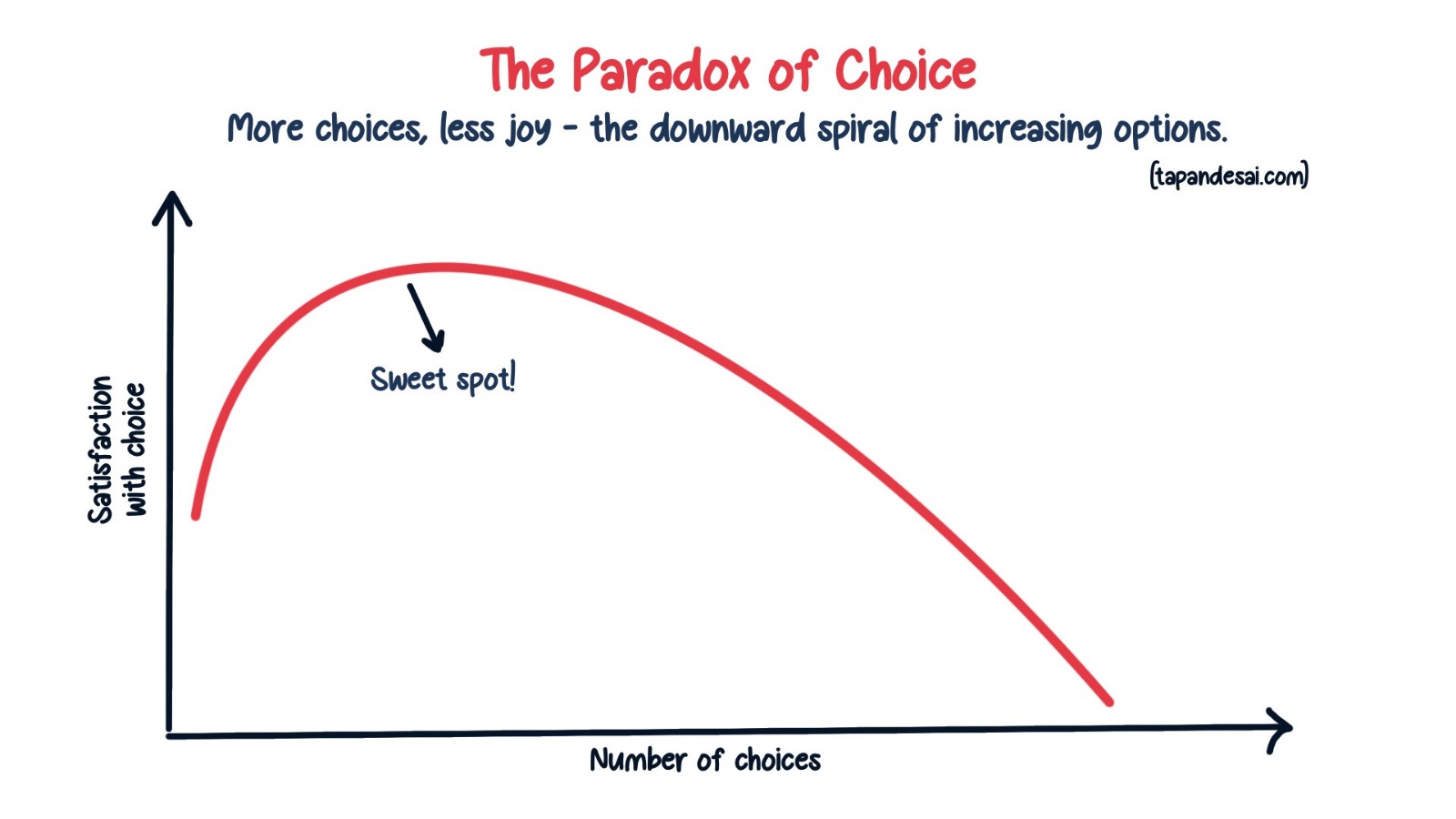
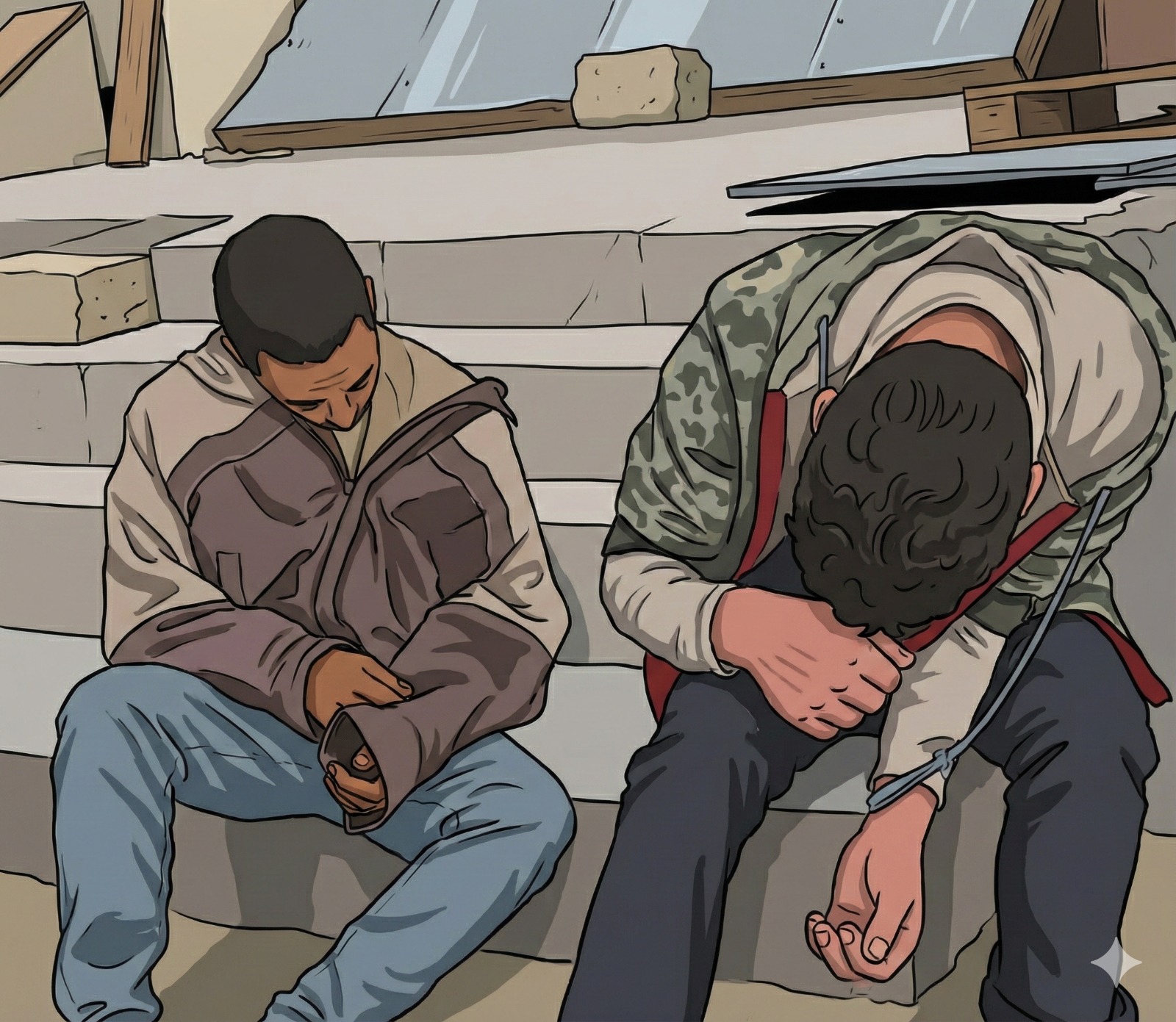
This lifestyle has a real impact on how young people handle their finances. Many find it difficult to save money or plan long-term because short-term rewards feel more satisfying. The culture of “treat yourself” has turned spending into a form of emotional comfort, especially during stress or boredom. Brands use this idea to make buying feel like an act of self-love or celebration. But after the excitement fades, the financial consequences become clearer, leading to stress, guilt, or pressure to keep buying more. This creates a cycle that’s hard to escape.
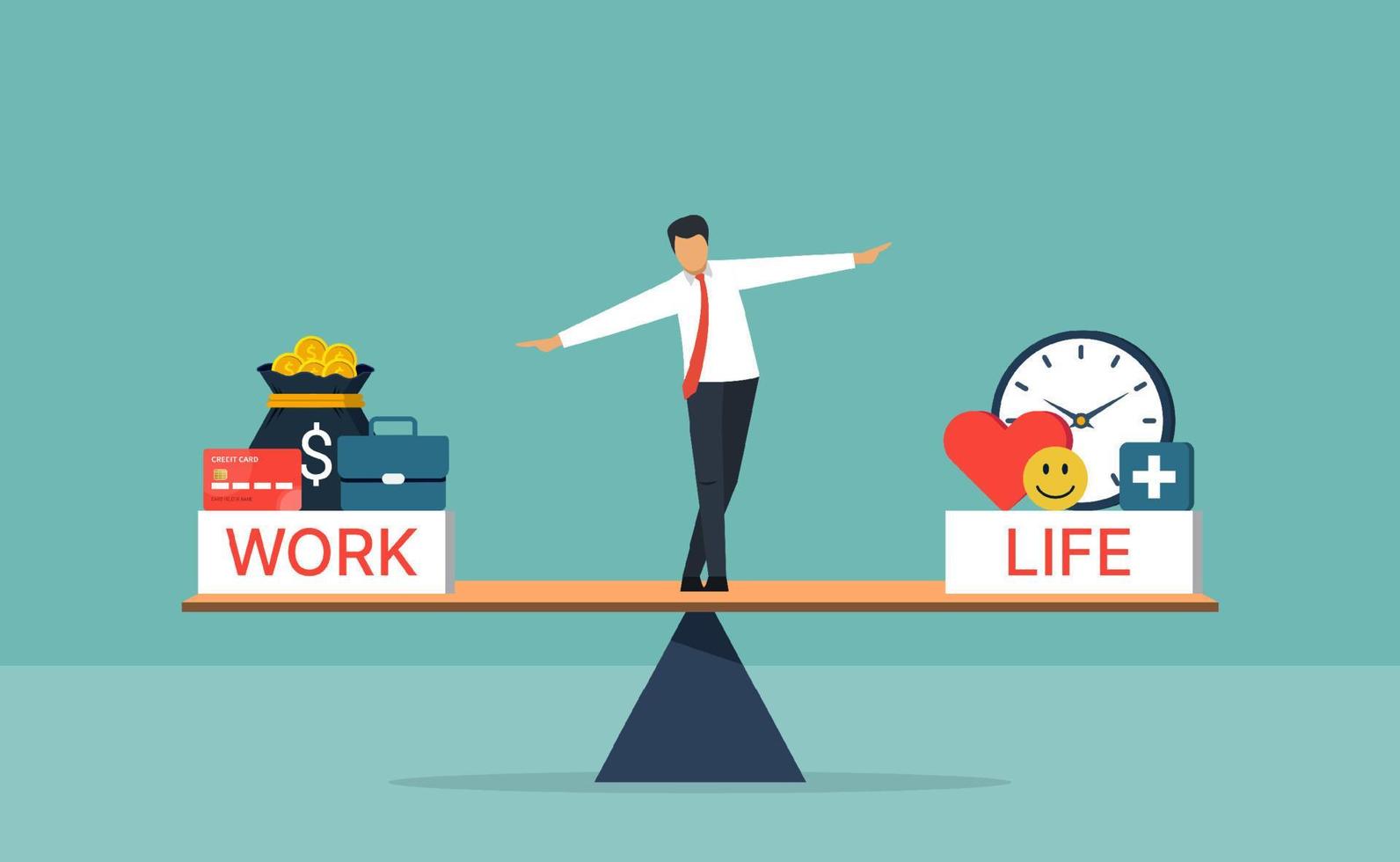
Even with all these pressures, not everyone is fully giving in to consumerism. More young people are beginning to question whether constant buying truly leads to happiness. Trends like minimalism, sustainability, and mindful spending are growing as alternatives. People are starting to value experiences, mental well-being, and personal growth over accumulating things. This shift shows a slow but important change in mindset. If it continues, it could help future generations find a healthier and more meaningful balance with money and material things.
.
20-12-2025  literature & arts
20-12-2025  health
20-12-2025  Women& men
20-03-2023  movies & theatre 8139
23-06-2023  Sports 4037
17-09-2022  movies & theatre 2612
...
tips from the head of dmc channels group- mr.hesham soliman02-08-2023
video  3304...
Exclusive Interview with the Prominent Host (Eman Ezz Eldin) for EMccu today27-10-2022
video  1088...
Culture of Photos Event Guests` Interviews (Pt.2)01-04-2023
video  1058...
Culture of Photos Event Guests` Interviews (Pt. 1)01-04-2023
video  935...
27-10-2022
video  3712