Emccu today

latest news bar

Inside the Silent Labor of Caregivers 
sara sherif  (24)

    Disability has no boundaries. It does not distinguish between nationality, class, gender, or faith; it is simply part of the human experience. Beyond food or shelter, people need dignity, trust, and opportunities to grow. These values are universal, shaping how society should treat every human being. Yet for many people with disabilities, these needs are met not by systems, but by the hands of those who love them.


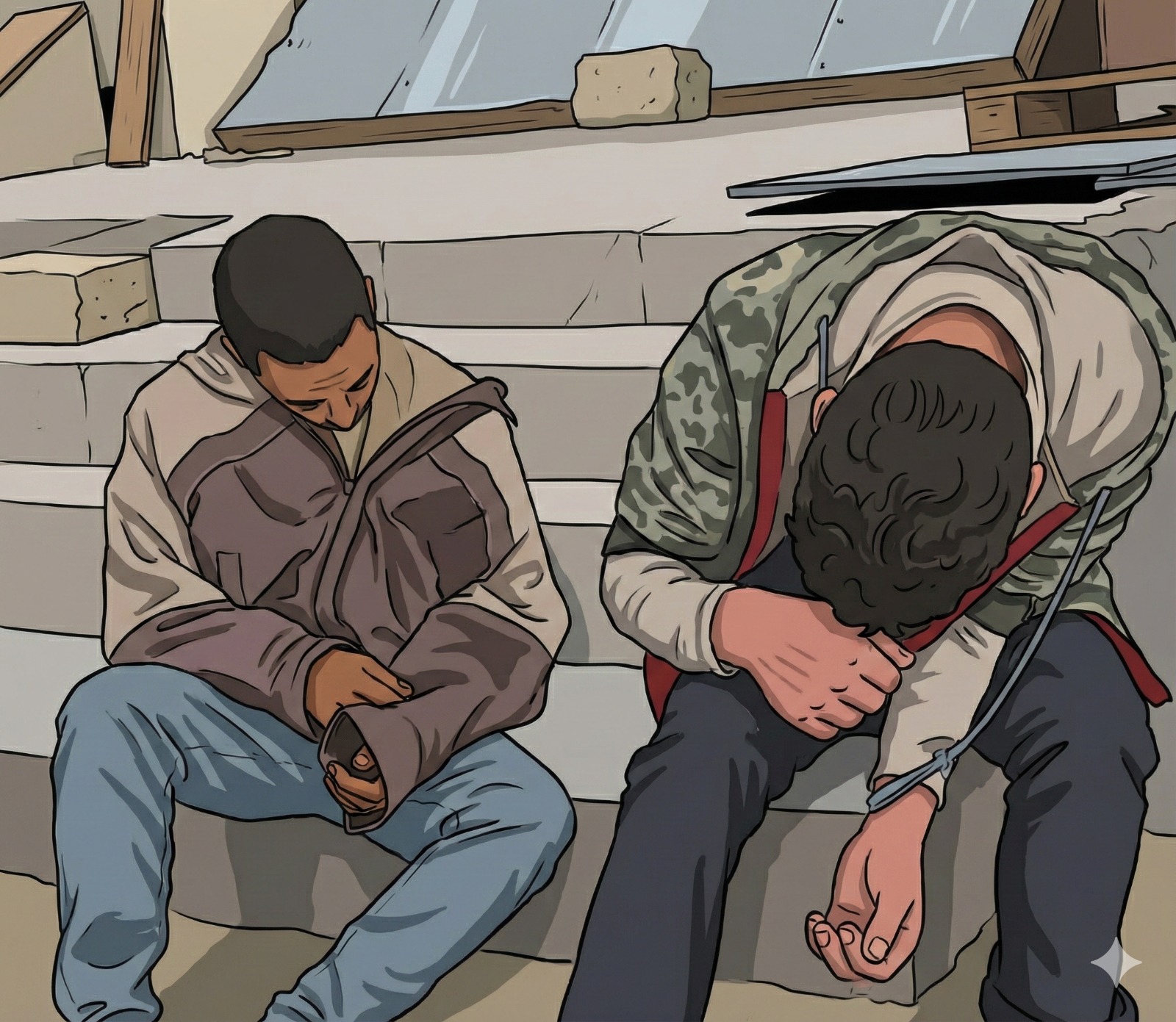
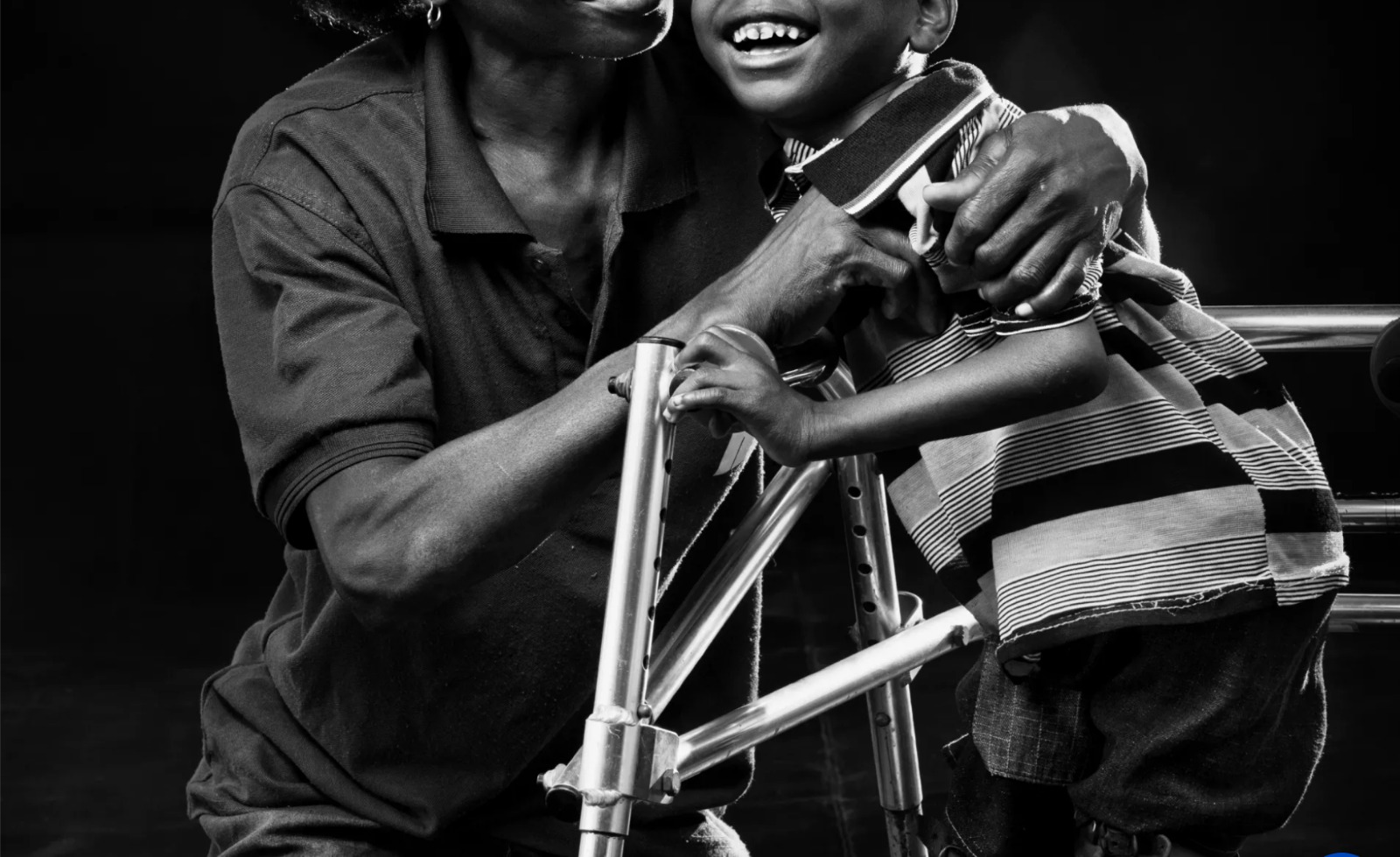
    During a recent encounter, a striking moment revealed what caregiving looks like at its purest. A 45-year-old blind man moved steadily through a crowded space, guided by the small hand of his nine-year-old son. The boy offered quiet instructions, navigating obstacles with ease and confidence. Their partnership was natural, almost rhythmic, yet profoundly moving. It was a glimpse into a relationship built on trust and necessity.


    This particular moment illustrates a bigger reality regarding family caregivers. The reverse of roles is common, and kids take over the responsibilities of adults in some parts. In this situation, the little boy had turned into the eyes of his dad who couldn`t see anymore, and thus he was opened up to the world gradually. To provide such care is not a matter of age or skills, it is rather a matter of love which acts as a bridge. It demonstrates how a person`s disability facilitates, but does not reduce, the ties among people.


    Across communities, millions of caregivers both family and professional perform similar acts daily. Their work is rarely visible, yet essential to the well-being and dignity of those they support. Effective caregiving does not mean doing everything for someone; it means offering help only when needed, while encouraging independence. This balance defines true support, even if it often goes unrecognized.


    .

    The caregivers are under a great amount of physical and emotional stress. Many of them try to do everything at once, like taking their loved ones to medical appointments, teaching them, providing transport, and sticking to daily routines, all while taking care of their own responsibilities. This constant pressure makes them susceptible to burnout, chronic stress, and health problems. Even so, caregivers usually put their dependents before themselves, motivated by loyalty rather than duty. Their sacrifices are still the most unrecognized contributions of the society.


    The father and his little boy`s moment is a reminder of what caregiving is: resilience, connection, and shared strength. It also highlights the urgency of building more accessible communities and stronger support systems for people with disabilities and those who care for them. Because somewhere today, a child is guiding a parent through the rush of life and their love deserves a world that gently guides them back.


    .

  write acomment


  Comments

Related Posts you may like

short list