Emccu today

latest news bar

The Science behind procrastination 
sara sherif  (27)


    Procrastination isn’t a new flaw born from smartphones and social media it’s a timeless human struggle. For centuries, people have battled the urge to delay what matters, often knowing the consequences. Today, researchers agree that procrastination is less about being “lazy” and more about the emotional discomfort that certain tasks bring. When something feels overwhelming, boring, or tied to our fears of failure, the brain naturally searches for immediate relief. That quick escape a scroll, a snack, a distraction becomes more tempting than the slow, sometimes uncomfortable path of doing the work.


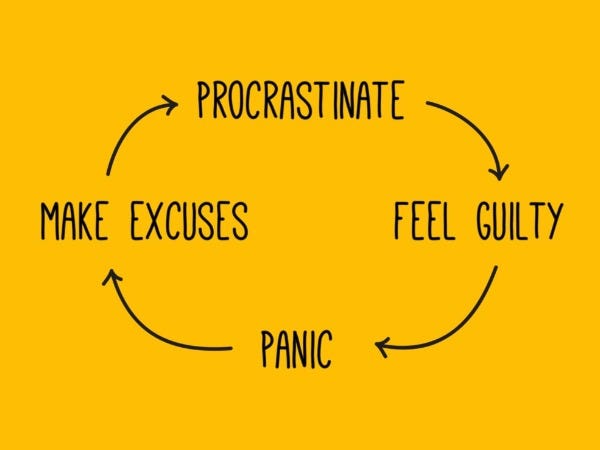
    Modern psychology reveals just how damaging this cycle can be. People who procrastinate regularly tend to experience higher stress, lower performance, and a heavier sense of guilt. The task doesn’t just get postponed; it becomes emotionally heavier the longer it sits untouched. Instead of using time wisely, procrastinators often get caught in patterns of avoidance that make the future harder rather than easier. The irony is that while procrastination promises temporary comfort, it almost always delivers long-term discomfort tighter deadlines, poorer outcomes, and a shaken sense of confidence.


    At the core of procrastination lies a gap between intention and action. Most people know exactly what they need to do but they can’t bring themselves to start. This gap is driven by emotion: stress, perfectionism, frustration, or self doubt. The mind tries to protect itself by choosing short-term mood boosts over long-term progress. And because the future version of ourselves feels far away, we trick ourselves into believing that tomorrow we’ll magically feel more motivated, more focused, or more capable. But tomorrow often arrives looking exactly like today.


    The good news is that procrastination is manageable ,not permanent. Breaking tasks into smaller steps reduces emotional resistance. Making environments less distracting helps weaken temptation. Finding personal meaning or value in the task gives the brain a reason to stay. But perhaps the most powerful tool is self-compassion. Instead of punishing ourselves for delaying, forgiving the slip makes it easier to reset and begin again. Overcoming procrastination isn’t about forcing productivity ,it’s about learning to work with our emotions, not against them, and reclaiming the time we lose to hesitation.


    .

  write acomment


  Comments

Related Posts you may like

short list