Emccu today


Understanding Modern Burnout 

sara sherif  (17)

    Why You Don’t Feel Like Yourself Anymore: Understanding Modern Burnout
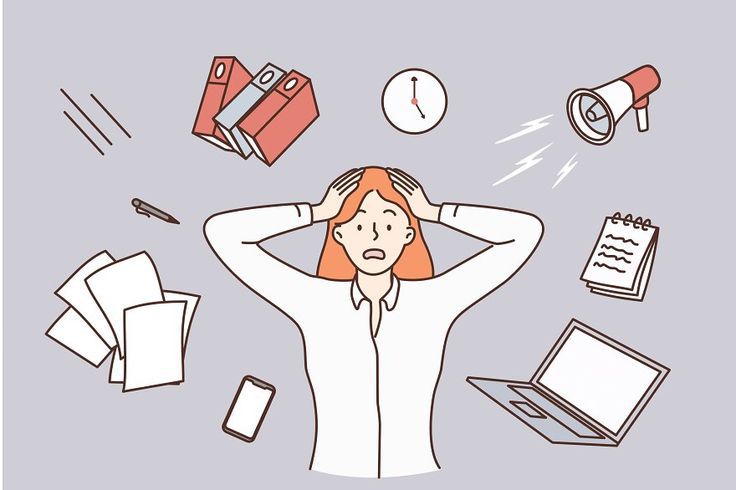

    Many people reach a point where life feels unusually heavy. Days blend together, stress becomes constant, and even the activities that once brought joy no longer spark anything inside. You finally get a moment of free time, yet you still don’t feel okay. Instead, you feel tired, drained, unmotivated—and you wonder, “Why am I like this? Am I becoming lazy?”


    You’re not lazy. You’re burned out.


    What Burnout Really Is


    Burnout is a state of emotional, mental, and physical exhaustion that develops after prolonged stress or pressure. It is not the same as being tired. Regular tiredness improves with rest; burnout does not. It affects how you think, how you feel, and even how your body functions.


    Why Burnout Is So Common in Your Early Twenties


    Today’s young adults face expectations that previous generations never experienced at the same intensity. You’re expected to study, work, build a career, plan your future, stay social, maintain relationships, and somehow remain happy through it all.


    But life doesn’t operate under these idealized standards—and neither do humans.


    Some of the real pressures include:


     • Feeling rushed to figure out your entire life early


     • Constant comparison through social media


     • Losing hobbies that once brought joy


     • A culture that glorifies nonstop productivity


     • Emotional overload from responsibilities and expectations


    Soon, even doing your best doesn’t feel like enough, and you begin to feel as if you’re falling behind—when in reality, you’re simply overwhelmed.


    Common Symptoms of Burnout


    Emotional Signs


     • Loss of interest in activities you once enjoyed


     • Feeling empty, detached, or easily irritated


     • Difficulty managing even simple tasks


    Physical Signs


     • Persistent exhaustion


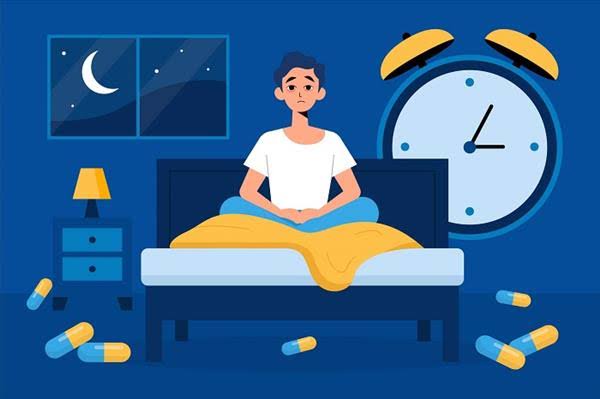
     • Disrupted sleep patterns


     • Low or inconsistent energy


    Behavioral Signs


     • Increased procrastination


     • Pulling away from people


     • Feeling lost, unmotivated, or disconnected from your goals


    How to Recover From Burnout


    1. Take Genuine Rest


    Rest is more than scrolling or distractions. Allow yourself real quiet time without mental load.


    2. Reconnect With One Small Joy


    Choose one hobby or activity you used to love. Even ten minutes is enough to begin rebuilding your sense of self.


    3. Set Boundaries


    Protect your energy by saying no when needed. Boundaries are not selfish—they’re necessary.


    4. Break Tasks Into Small Steps


    Simplify responsibilities. Progress d .

  write acomment


  Comments

Related Posts you may like

short list