The Sound of Life: How Music Shapes Our World
 close
close
![]()
close
![]()

Music is more than just background noise ; it`s a fundamental element of the human experience, deeply interwoven with our emotions, memories, and identities. From ancient rituals to modern streaming, the universal language of sound has demonstrated a profound ability to influence our psychological and physiological states, making its impact a vital subject of study.
Psychological and Emotional Resonance
One of the most immediate and powerful effects of music is its influence on our mood and mental well-being. Listening to upbeat, major-key tracks can release dopamine, a neurotransmitter associated with pleasure, offering an instant mood boost and acting as a natural anti-depressant. Conversely, sad songs, often in minor keys, can help individuals process grief or complex emotions, providing a cathartic outlet by validating their feelings. Research suggests music therapy is increasingly effective in managing anxiety, depression, and stress.
The Link to Memory and Cognition
Music possesses a unique ability to trigger vivid, emotional memories. A song associated with a past event can instantly transport a person back in time, often more effectively than visual cues.
Furthermore, music plays a significant role in cognitive function. Studies on the "Mozart Effect", though debated, brought attention to how listening to music, or learning an instrument, can enhance spatial reasoning and focus. This cognitive benefit is particularly important in educational settings and for maintaining brain health in older adults.
Social Bonding and Cultural Identity
The shared experience of music is a powerful tool for social bonding. Concerts, festivals, and even singing together in a choir foster a sense of community and belonging. Across cultures, music serves as a cornerstone of identity, encapsulating historical narratives, social values, and traditions. The style of music a person prefers often acts as a badge, signaling affiliation with specific social groups or subcultures, uniting people across geographical and linguistic barriers
Influence on Performance and Physical Activity
Music is widely used to optimize physical performance. Athletes utilize high-tempo tracks to increase adrenaline and endurance during training, a concept known as "rhythmic entrainment", where the body`s movements synchronize with the beat. Beyond sports, soft music in retail environments has been shown to influence consumer behavior, and calm melodies in clinical settings can help lower heart rate and blood pressure, demonstrating its physiological regulatory power.
.

Conclusion: An Indispensable Force
In conclusion, the influence of music on human life is multi-faceted and indispensable. It serves as an emotional regulator, a powerful mnemonic device, a cultural anchor, and a performance enhancer. As technology makes access to diverse sounds easier than ever, music will continue to be a dynamic, evolving force, underscoring its role not merely as entertainment, but as an essential and restorative aspect of the human condition.
.

16-06-2026 Faculty of Mass Communication

16-06-2026 Faculty of Mass Communication

03-06-2026 Faculty of Mass Communication
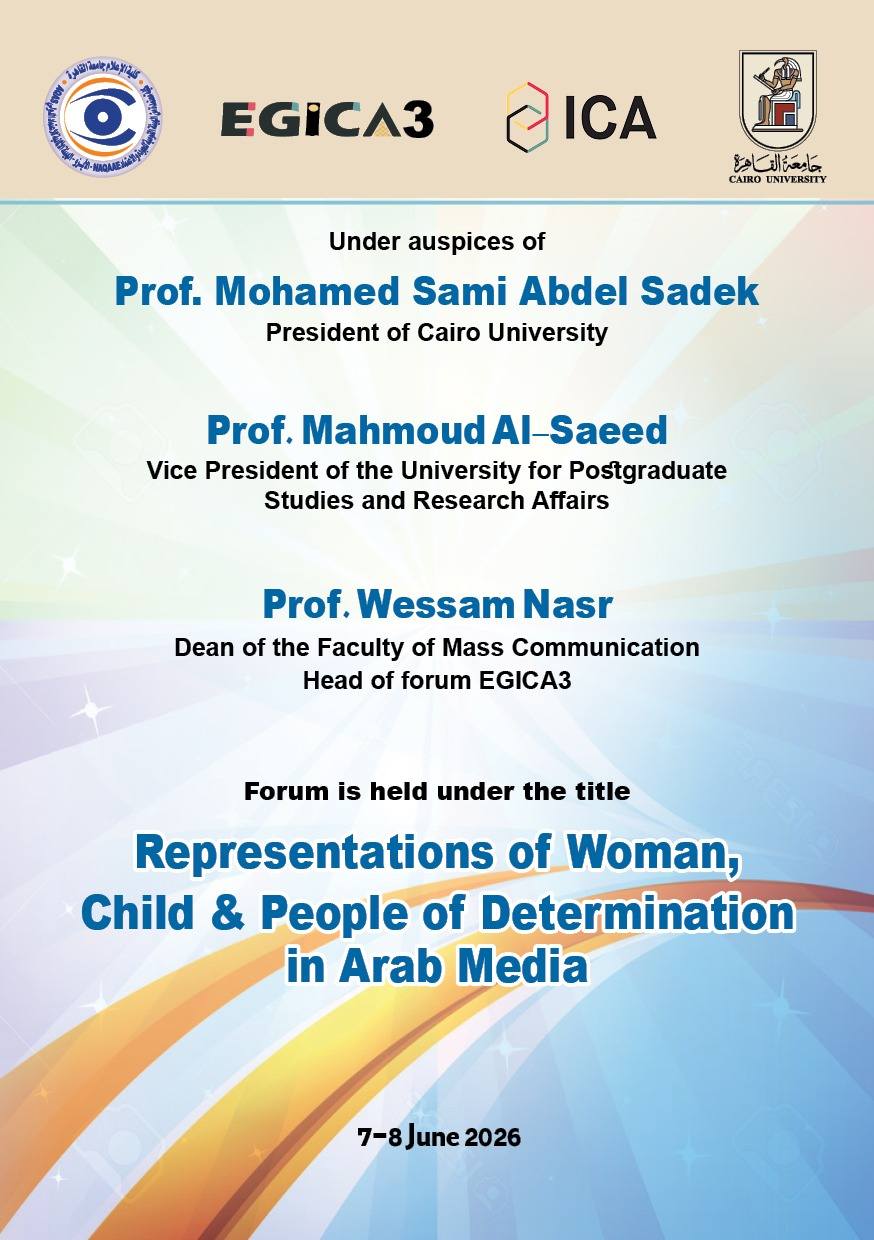
03-06-2026 Faculty of Mass Communication

20-03-2023 movies & theatre 10515

23-06-2023 Sports 6367
...
tips from the head of dmc channels group- mr.hesham soliman02-08-2023
video 5588...
Exclusive Interview with the Prominent Host (Eman Ezz Eldin) for EMccu today27-10-2022
video 3438...
Culture of Photos Event Guests` Interviews (Pt.2)01-04-2023
video 3363...
Culture of Photos Event Guests` Interviews (Pt. 1)01-04-2023
video 3195...

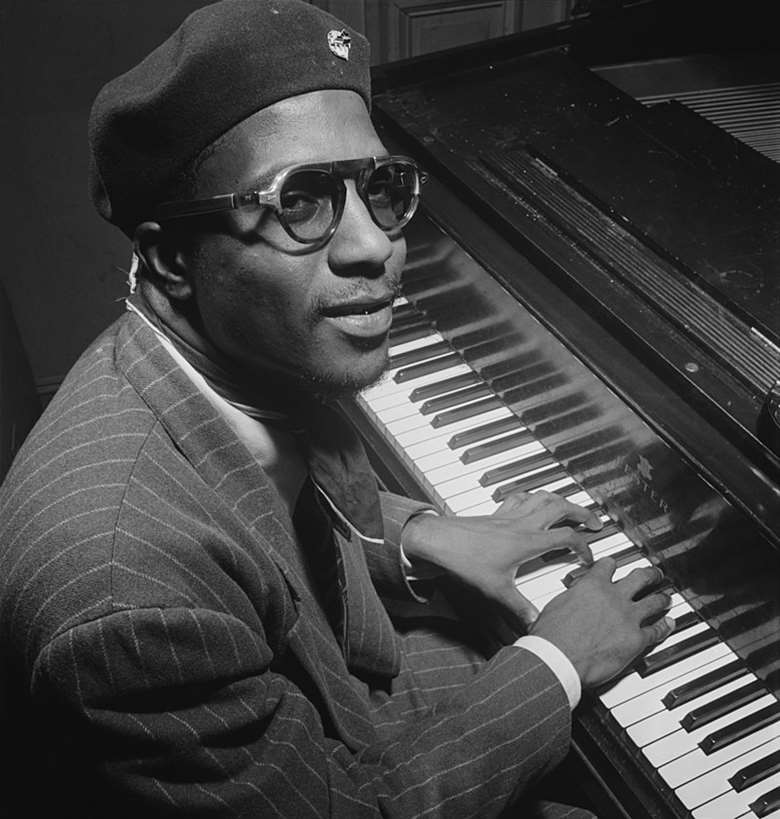
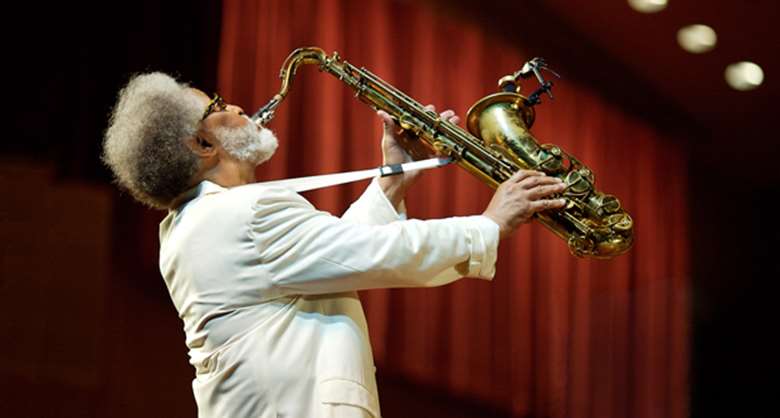












27-10-2022
video 6111