Spread of Misleading Health Information on Social Media: Risks and Public Impact 
close


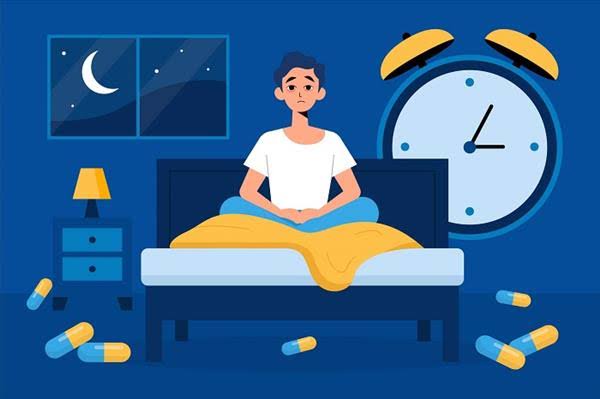
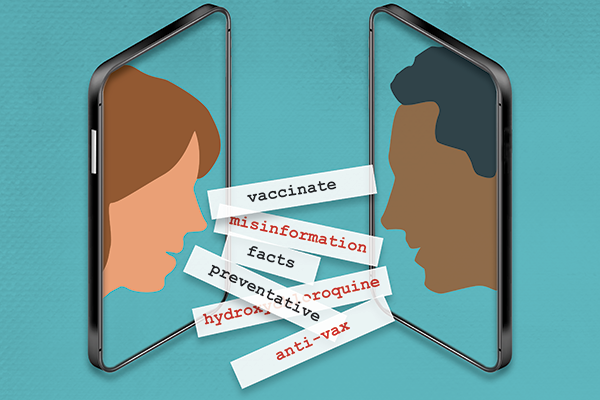
Social media has become one of the most popular places where people get health information. Platforms like TikTok, Instagram, and Facebook make it easy to share advice, but not all of this advice is accurate. Studies from trusted health organizations show that misleading health content spreads quickly and reaches millions of people. This article explains how false health tips spread, why people believe them, and the risks they create for individuals and society.
Social media is a strong influence because many people use it before speaking to a doctor. According to the World Health Organization (WHO), more than 60% of young adults search for health advice online. This makes social platforms powerful, but also risky, because anyone can post information—even if it is not true or tested.
Another major problem is the rise of influencers who share health tips without medical knowledge. A study from Harvard University found that nearly 40% of trending health tips on TikTok were inaccurate or not supported by scientific evidence. These posts often look attractive and personal, which makes people trust them easily.
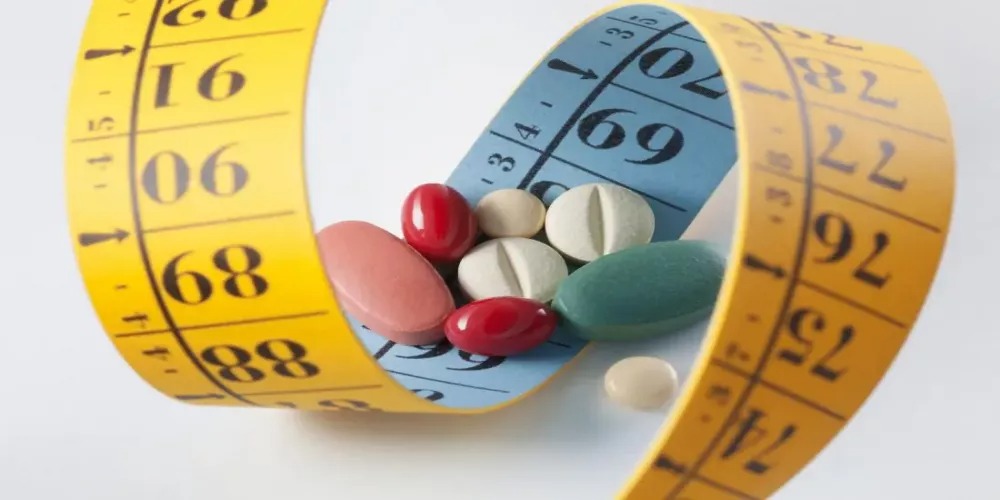
False health tips can cause serious harm. The American Heart Association reported that 1 in 5 people have tried unsafe home remedies they found online, such as extreme diets or replacing medicine with herbs. During events like COVID-19, harmful misinformation spread even faster, making the situation more dangerous.
To reduce the spread of false information, people need to think carefully before believing or sharing health advice. Experts recommend following official sources like WHO, CDC, and verified doctors. Fact-checking websites and reliable health apps can also help. Social media can be useful, but only when people rely on evidence, not viral trends or influencers.
Misleading health information on social media is a growing problem that affects how people understand and manage their health. While social platforms can provide helpful content, they also spread many harmful and unproven ideas. By checking sources, trusting scientific evidence, and improving digital awareness, individuals and communities can protect themselves and limit the impact of misinformation.
.
20-12-2025  literature & arts
20-12-2025  health
20-12-2025  Women& men
20-03-2023  movies & theatre 8140
23-06-2023  Sports 4039
17-09-2022  movies & theatre 2614
...
tips from the head of dmc channels group- mr.hesham soliman02-08-2023
video  3309...
Exclusive Interview with the Prominent Host (Eman Ezz Eldin) for EMccu today27-10-2022
video  1093...
Culture of Photos Event Guests` Interviews (Pt.2)01-04-2023
video  1058...
Culture of Photos Event Guests` Interviews (Pt. 1)01-04-2023
video  937...
27-10-2022
video  3715