Emccu today

Cobblers of Cairo: How Babel Shoe Factory Preserves 70 Years of Handmade Heritage 
sara sherif  (10)

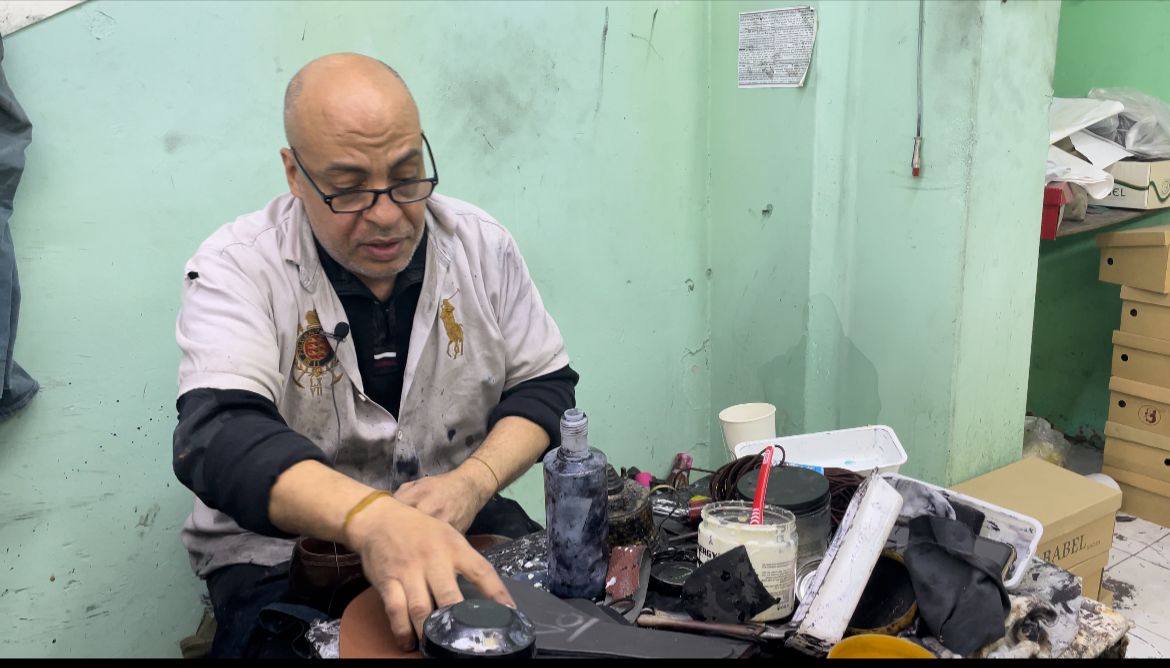
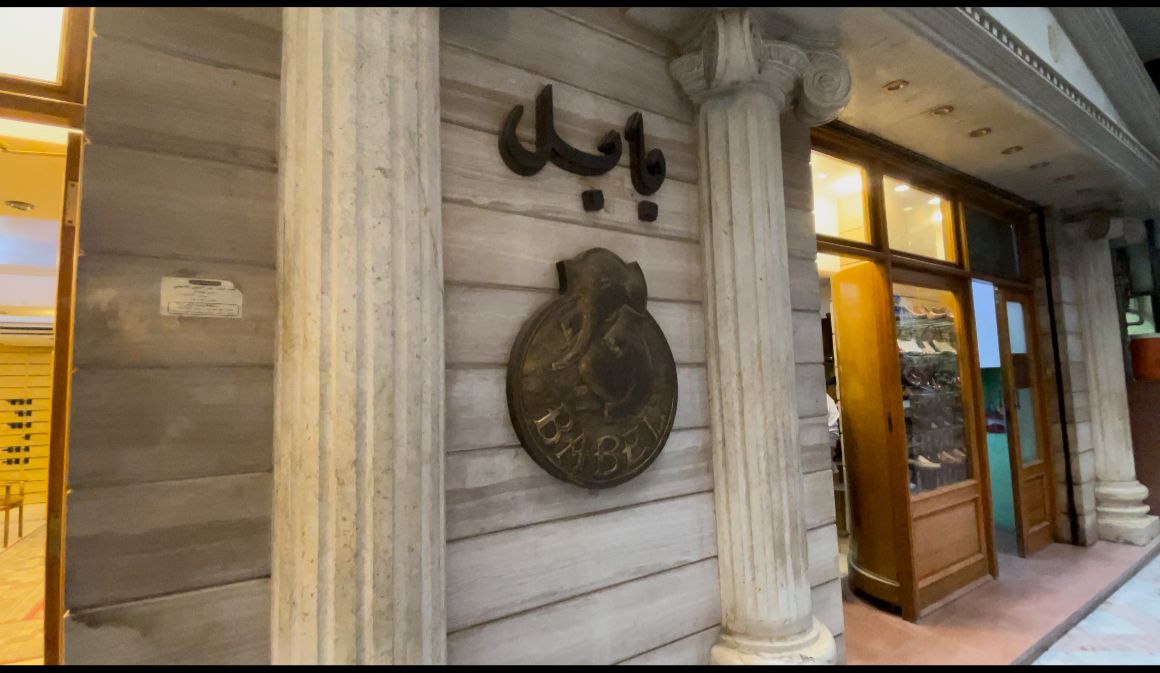
    In the heart of downtown Cairo, just off the bustling Adly Street, the Babel Shoe Factory stands as a living museum of Egyptian craftsmanship. Established in 1952 by the Abul Enein family, the workshop was born from a desire to rival the prestige of European brands like Bally ,a goal reflected in its phonetically similar name. For over seven decades, it has remained a cornerstone of the district, serving as a sanctuary for those who value the disappearing art of handmade leather goods.


    The factory is now considered part of Egyptian history, having catered to some of the most prominent figures of the 20th century. Its loyal customer base once included high-ranking officials and political leaders, most notably former Prime Minister Atef Ebeid. The workshop also became a destination for the stars of Egypt’s Golden Age of cinema and arts; legendary performers like Tahia Karioka, Mahmoud El Meliguy, and Madiha Yousri were known to frequent the shop for its high-end custom designs. Even the revered religious scholar Sheikh Mohamed Metwally Al-Shaarawi was a regular, trusting the master cobblers at Babel to craft his signature footwear.


    .

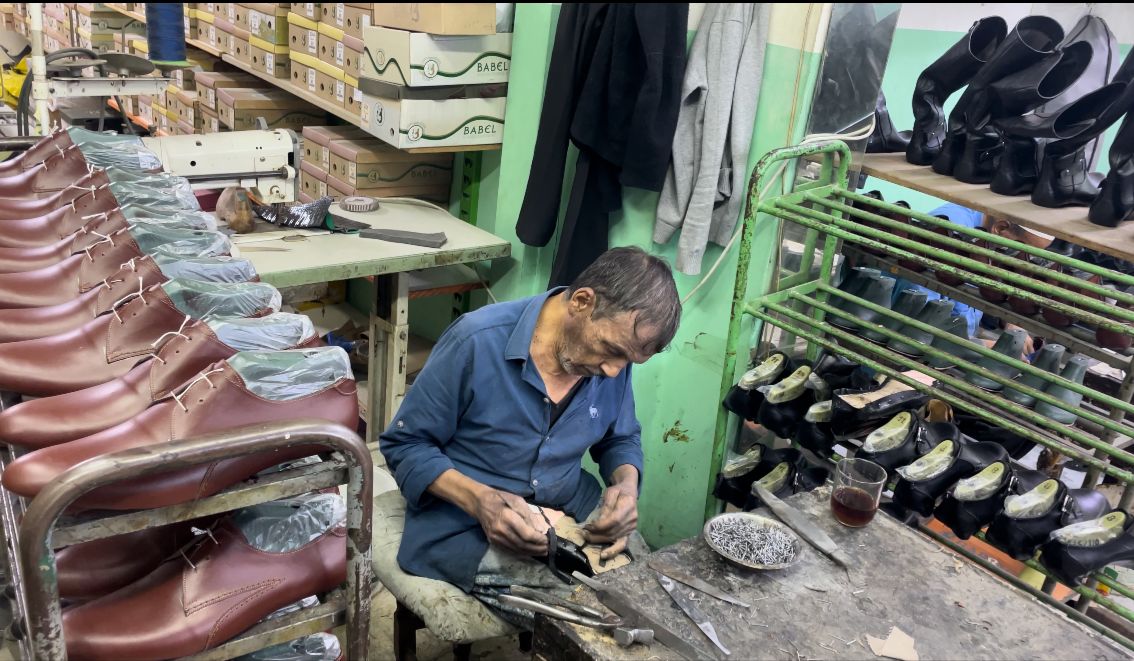
    The interior of the factory is a sensory journey back in time, where the scent of genuine leather mingles with the rhythmic tapping of hammers. Unlike the modern trend of mass-produced, synthetic footwear, Babel remains fiercely committed to traditional methods. Every shoe is hand-cut and stitched from high-quality natural leather, once sourced from Germany and Russia and now from top-tier Egyptian tanneries. Utilizing rows of wooden lasts that cater to nearly every foot size, the cobblers create shoes built to last for a decade or more. It is not uncommon for customers to return years later, not to replace their shoes, but to have their well-worn favorites expertly refurbished.


    Survival in the 21st century has not been without its trials. The factory has weathered economic shifts, the influx of cheap imports, and the devastating impact of the COVID-19 pandemic. Through these challenges, the owners have maintained a deep sense of social responsibility, ensuring their veteran craftsmen remained employed even when sales slowed. Today, it is more than just a shop or a factory it is a "school" where the secrets of the trade are passed down to new generations. By maintaining these rigorous standards, the Abul Enein family ensures that the heritage of the Egyptian cobbler remains a vibrant part of the city`s cultural fabric.

    .

  write acomment


  Comments

Related Posts you may like

short list