Art Treasury on Banks of Nile 
close


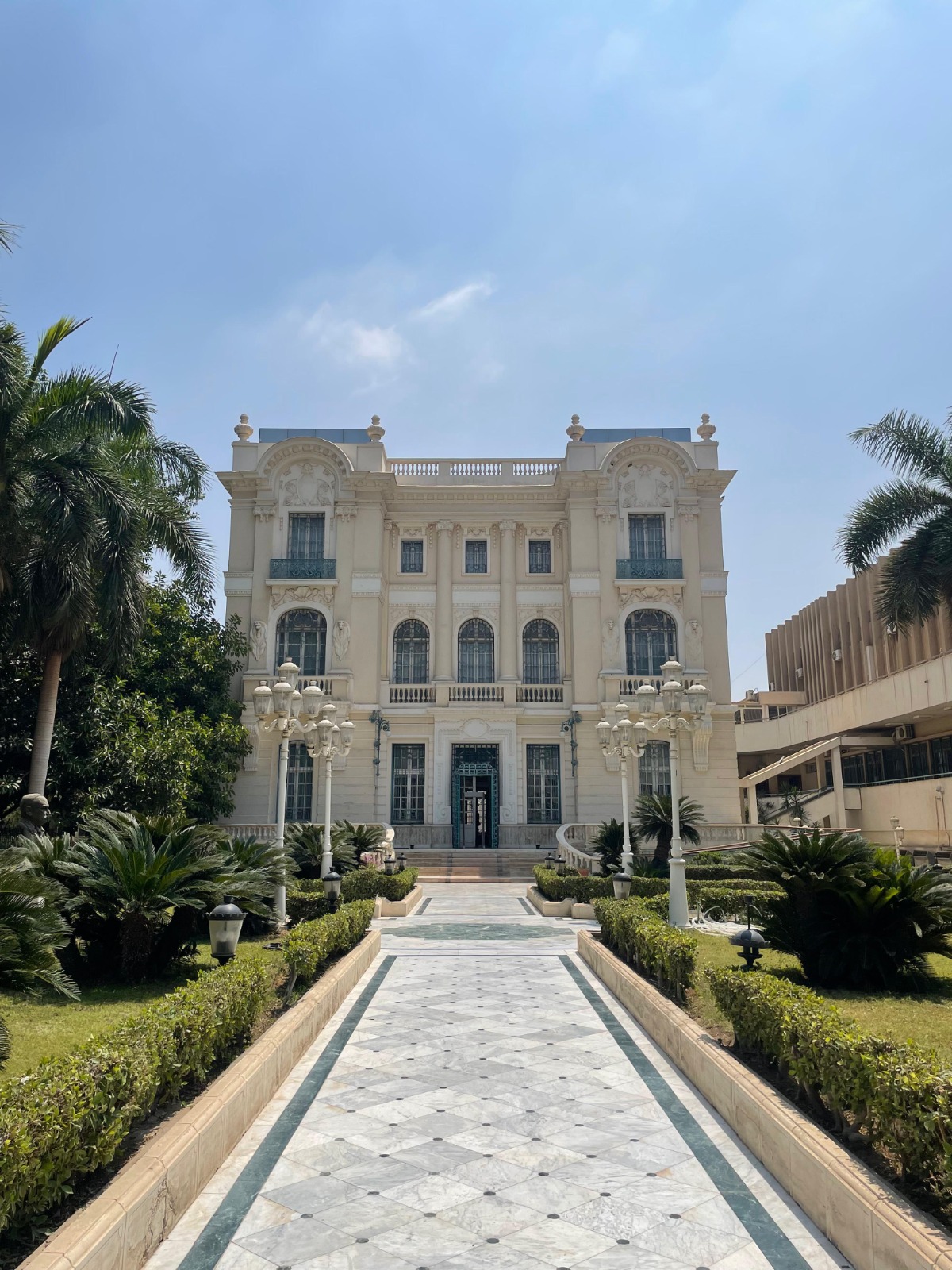
Located on the banks of the Nile in Dokki, Giza, the Mohamed Mahmoud Khalil Museum stands as one of Egypt’s most distinguished art museums, housing an exceptional collection of international masterpieces in painting, sculpture, and ceramics. Spanning approximately 538 square meters and surrounded by gardens covering nearly 2,400 square meters, the museum preserves a rare artistic legacy that places it among the most significant cultural institutions in the region.
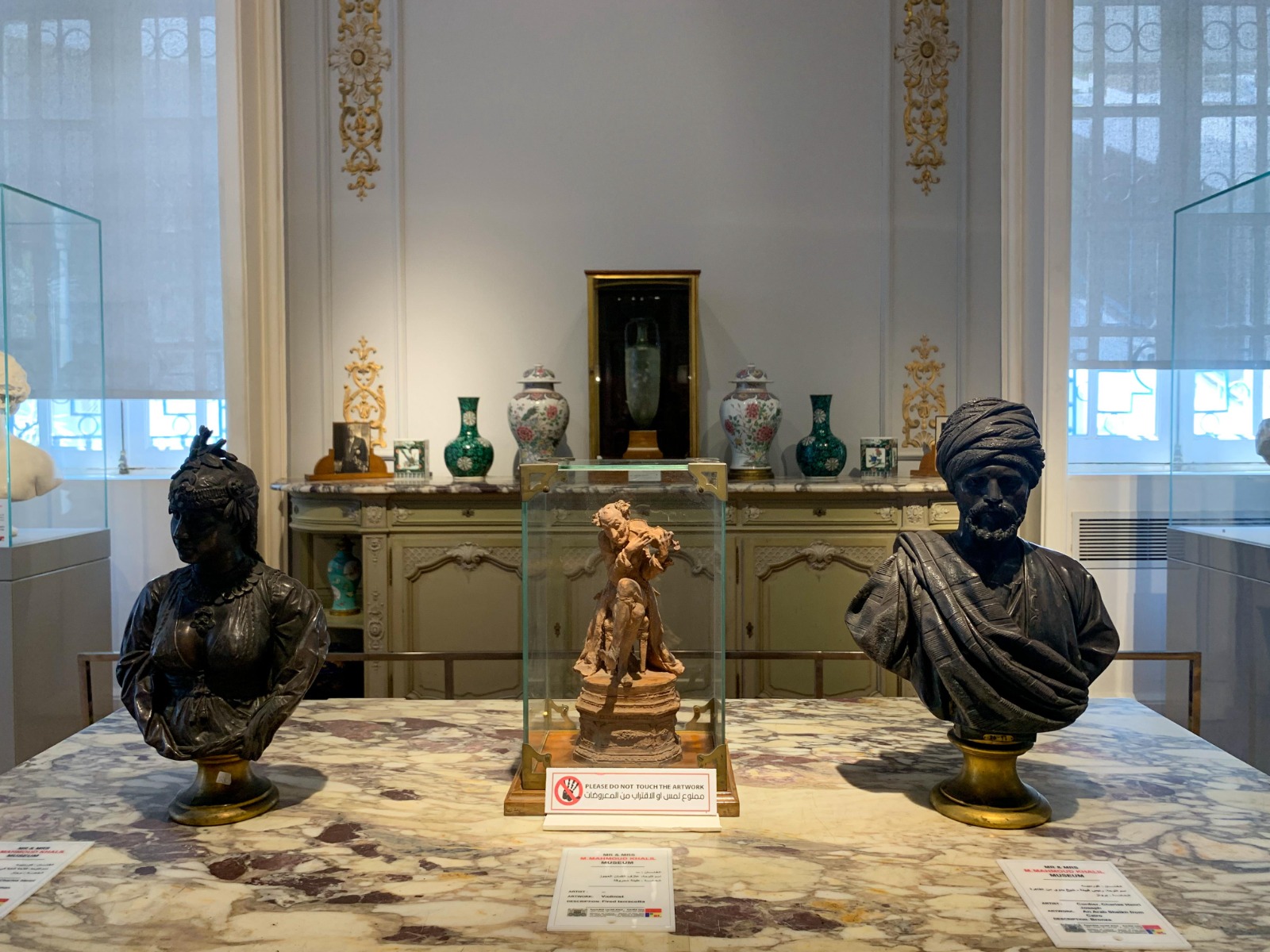
The museum’s collection includes more than 300 paintings and over 50 sculptures, featuring works by some of Europe’s most celebrated artists from both the pre-modern and modern eras. Among the exhibited names are Édouard Manet, Pierre-Auguste Renoir, Paul Cézanne, Vincent van Gogh, Paul Gauguin, Rembrandt, and Gustave Courbet, in addition to an important collection of Orientalist paintings and valuable ceramic works.
Among the museum’s highlights are five paintings by the pioneer of French Impressionism, Claude Monet, as well as three works by Gauguin, including his renowned painting Life and Death. The museum also houses five sculptures by the celebrated French sculptor Auguste Rodin, including a sculpture of the famous French writer Honoré de Balzac. Important works by Georges Seurat and Camille Pissarro are also part of the collection.
In addition to its paintings and sculptures, the museum contains a remarkable assortment of rare vases from France, China, Japan, and Iran, alongside delicate decorative objects crafted from precious materials such as crystal, jade, emerald, and coral. The collection further includes bronze, marble, and plaster sculptures by prominent nineteenth-century artists, among them Rodin, Carpeaux, Cordier, Barye, and Houdon, as well as a rare selection of Japanese Inrō boxes.
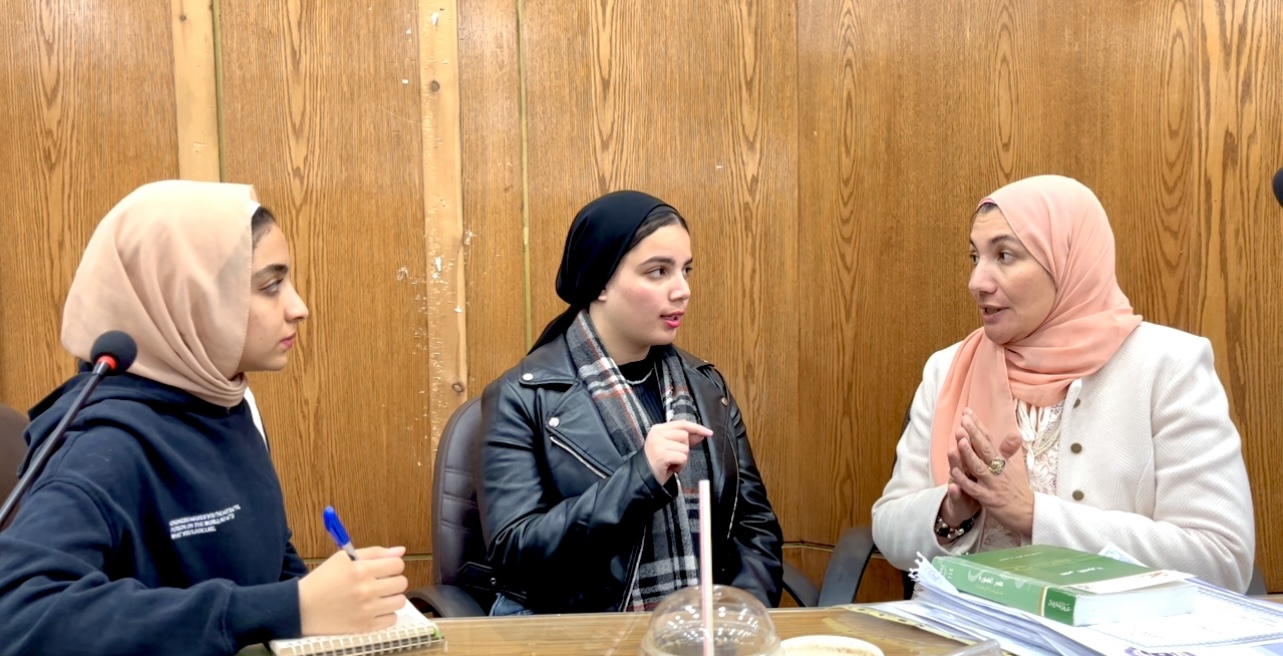
The presence of such rare and historically significant pieces has earned the museum international recognition and attracted visitors from around the world. Reflecting on its value, the museum’s cultural activities officer described it during an interview as “second only to the Louvre,” emphasizing the exceptional importance of its collection.
According to the museum’s cultural activities officer, the palace itself, distinguished by its elegant French architectural style , was established in 1915 by Mohamed Mahmoud Khalil Pasha, who belonged to one of Egypt’s aristocratic families at the time. The palace was purchased from a Jewish family known as the Suarès family.
Khalil’s father held a prominent position in the Khedive’s court, while his mother was of Greek origin, creating an environment that nurtured his appreciation for art and culture from an early age.
.
Although Khalil originally studied agriculture due to his family’s vast agricultural estates, he later traveled to Paris to study law. There, he met his French wife, Emiline Hector Luce, who shared his passion for art. Together, they collected rare artworks and valuable antiques before eventually returning to Cairo to reside in their palace. Following her will, ownership of the palace and its collections was transferred to the Ministry of Culture and National Guidance in 1954.
Throughout his life, Mohamed Mahmoud Khalil held several prominent political positions. He served as Minister of Agriculture in 1937 and became President of the Senate in 1939. Beyond politics, however, he played a major role in Egypt’s cultural life and was considered one of the key patrons of the country’s fine arts movement. In 1924, alongside Prince Youssef Kamal, he helped establish the Society of Fine Arts Lovers, later becoming its president in 1925.
Khalil traveled extensively across the world in search of masterpieces by renowned artists, carefully selecting works to bring back to Egypt. His efforts contributed significantly to artistic and cultural exchange between Egypt and France, earning him some of France’s highest decorations and honors during that period.
During the presidency of Anwar Sadat, the palace was temporarily converted into a presidential office due to its proximity to Sadat’s residence. During that period, the museum’s collections were relocated to Zamalek before eventually returning to their original home.
Over the decades, the museum underwent several periods of closure and reopening as part of continuous restoration and development projects. In 2022, the American engineering consultancy المؤسسة العالمية ENR announced that the “Renovation and Development of Mohamed Mahmoud Khalil Museum” project had won the award for Best Restoration Project Worldwide in its international competition recognizing outstanding architectural and engineering achievements.
Today, a visit to the Mohamed Mahmoud Khalil Museum is far more than a casual outing; it is a journey through the history of beauty, art, and cultural memory along the banks of the Nile.
.
03-06-2026  Faculty of Mass Communication
20-03-2023  movies & theatre 8492
23-06-2023  Sports 4362
17-09-2022  movies & theatre 2985
...
tips from the head of dmc channels group- mr.hesham soliman02-08-2023
video  3604...
Exclusive Interview with the Prominent Host (Eman Ezz Eldin) for EMccu today27-10-2022
video  1464...
Culture of Photos Event Guests` Interviews (Pt.2)01-04-2023
video  1360...
Culture of Photos Event Guests` Interviews (Pt. 1)01-04-2023
video  1226...
27-10-2022
video  4110